
Niagara Falls
THE
NIAGARA FALLS REPORTER
LOCAL NEWS  •  LOCAL VOICES  •  LOCAL MATTERS

When Judges Punish for Crimes the Jury Rejected
C
Carl Thiese  ·  October 10, 2025
When Judges Punish for Crimes the Jury Rejected
SharefXin

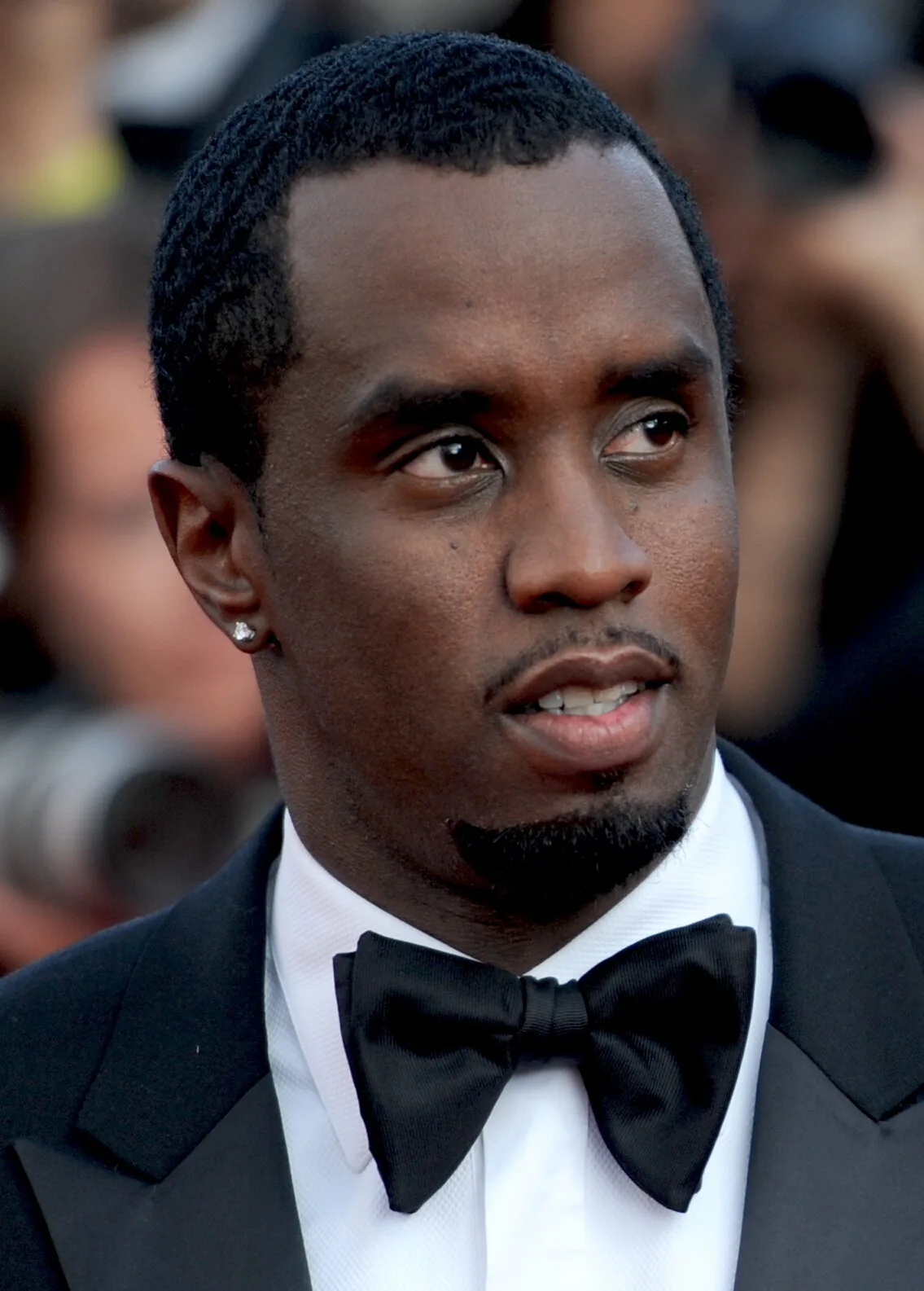
Sean “Diddy” Combs was acquitted of the most serious charges against him—racketeering and sex trafficking—after a grueling federal trial. Yet when he appeared before Judge Arun Subramanian last week for sentencing, those very allegations determined how long he would stay behind bars.

That’s not conjecture; it’s how federal sentencing works.

Under current guidelines, a judge may consider uncharged, unproven, or even acquitted conduct in determining punishment, so long as the allegations are deemed “proven” by a preponderance of the evidence—a far lower standard than “beyond a reasonable doubt.”

It’s one of the strangest paradoxes in modern justice: a jury says “not guilty,” but the judge can still sentence as if the defendant were guilty.

A Legal Loophole Turned Routine

The practice stems from a 1997 Supreme Court case, United States v. Watts, which held that acquitted conduct could be used in sentencing without violating the Double Jeopardy Clause. Congress never corrected it, and prosecutors learned to use it strategically—charge big, accept small, then let sentencing fill in the gaps.

In Combs’s case, prosecutors cited the same allegations of coercion and abuse that the jury explicitly rejected. They argued those accusations showed “pattern and intent,” convincing the court to impose a harsher sentence under the Mann Act.

It’s the legal equivalent of retrying the case after losing—a shadow verdict rendered not by twelve citizens, but by one robed official.

Punishment Without Conviction

This approach corrodes the very logic of the Sixth Amendment. It says a person can be exonerated in the eyes of the law yet punished for what the government believes he did. It erodes the moral authority of verdicts, invites prosecutorial overreach, and undermines public faith in due process.

Combs’s case is hardly unique. Federal inmates from white-collar executives to low-level drug offenders have watched their sentences balloon on the basis of conduct that was never proven or was expressly rejected by a jury.

The only difference here is visibility: because this defendant is famous, the public may finally notice what has long been hidden in plain sight.

The Call for Reform

Several members of Congress, from Senators Dick Durbin to Mike Lee, have introduced bipartisan legislation to ban this practice. The Prohibiting Punishment of Acquitted Conduct Act has languished in committee for years—ignored precisely because it challenges judicial convenience and prosecutorial leverage. With the current climate focusing on the appearances of judicial overreach and weaponization, perhaps this will now be taken more seriously.

If Combs’s sentencing becomes the catalyst for renewed debate, perhaps something good can come from this spectacle. The issue is not whether he deserves mercy or punishment; it’s whether anyone should be punished for conduct a jury refused to convict on.

In a time when faith in justice is collapsing, this simple principle should unite us:
If you’re not guilty, you shouldn’t be sentenced as if you were.


 

SharefXin

Comments (0)

Leave a comment

More From Niagara Falls Reporter

Craig Bucki Stands Out in Race for Supreme Court, Has All the Tools to Be Strong Judge
Featured

Craig Bucki Stands Out in Race for Supreme Court, Has All the Tools to Be Strong Judge

By tony Farina · September 16, 2026

By Tony Farina I’ve covered many court proceedings and trials in my more than 35 years as a newspaper and television reporter and I want to make the point at the beginning of this story that whether elected or appointed, some judges are fair and honest and many others fall short of the mark. In other words, the word jurist does not convey skill and knowledge of the law; it is just a role that some serve with distinction, and others do not. By definition, a jurist is a person who has expert or thorough knowledge of the law but

Is Niagara Falls Crisis Self-Inflicted? Lots of Questions, Few Answers
Featured

Is Niagara Falls Crisis Self-Inflicted? Lots of Questions, Few Answers

By tony Farina · September 15, 2026

By Tony Farina There are certainly many questions swirling around the mayor’s declaration of a state of emergency in Niagara Falls over trash, blight, and deteriorating streets that was declared back on July 20 and has been extended several times since because, according to Mayor Robert Restaino, the City Council refused to approve contractor agreements. But some observers point to depleted staff at City Hall, like in Public Works and Code Enforcement and other departments, as really self-inflicted wounds that are the underlying reasons work is not getting done in the city. Or is there even more to the story,

NIAGARA FALLS BUILT THE MODERN WORLD ON ITS POWER. IT CAN DO IT AGAIN.
Featured

NIAGARA FALLS BUILT THE MODERN WORLD ON ITS POWER. IT CAN DO IT AGAIN.

By Niagara Reporter- · September 11, 2026

The  Data Center That Answers Hochul’s Objections There was a time when Niagara Falls did not ask Albany whether it was permitted to prosper. The river was here. That was enough. The town had something Albany couldn’t give it. It used what was here. Water. Power. Work. Jobs. Industry. A future. In 1895, the Adams plant took the river and put it into wire. The current went to Buffalo. It changed the industrial world. Tesla supplied the designs. Westinghouse built the machines. Niagara supplied the falling water. Then industries came. Electrochemical. Electrometallurgical. They came because Niagara offered abundant, inexpensive electricity.

Niagara Falls Has Millions of Tourists But Needs to Find a Way to Capture That Wealth
Featured

Niagara Falls Has Millions of Tourists But Needs to Find a Way to Capture That Wealth

By tony Farina · September 8, 2026

By Tony Farina The City of Niagara Falls, N.Y., boasts one of the world’s greatest natural wonders that people from around the world come to see, but despite incredible tourism numbers of more than nine million visitors a year, the city of now less than 50,000 people is still pretty darn poor. Niagara Falls does not have a tourism problem; it has a tourism-capture problem, and the distinction should be a starting point for a serious new discussion about the city’s future. And ladies and gentlemen, that discussion needs to start now. The question is no longer whether Niagara Falls