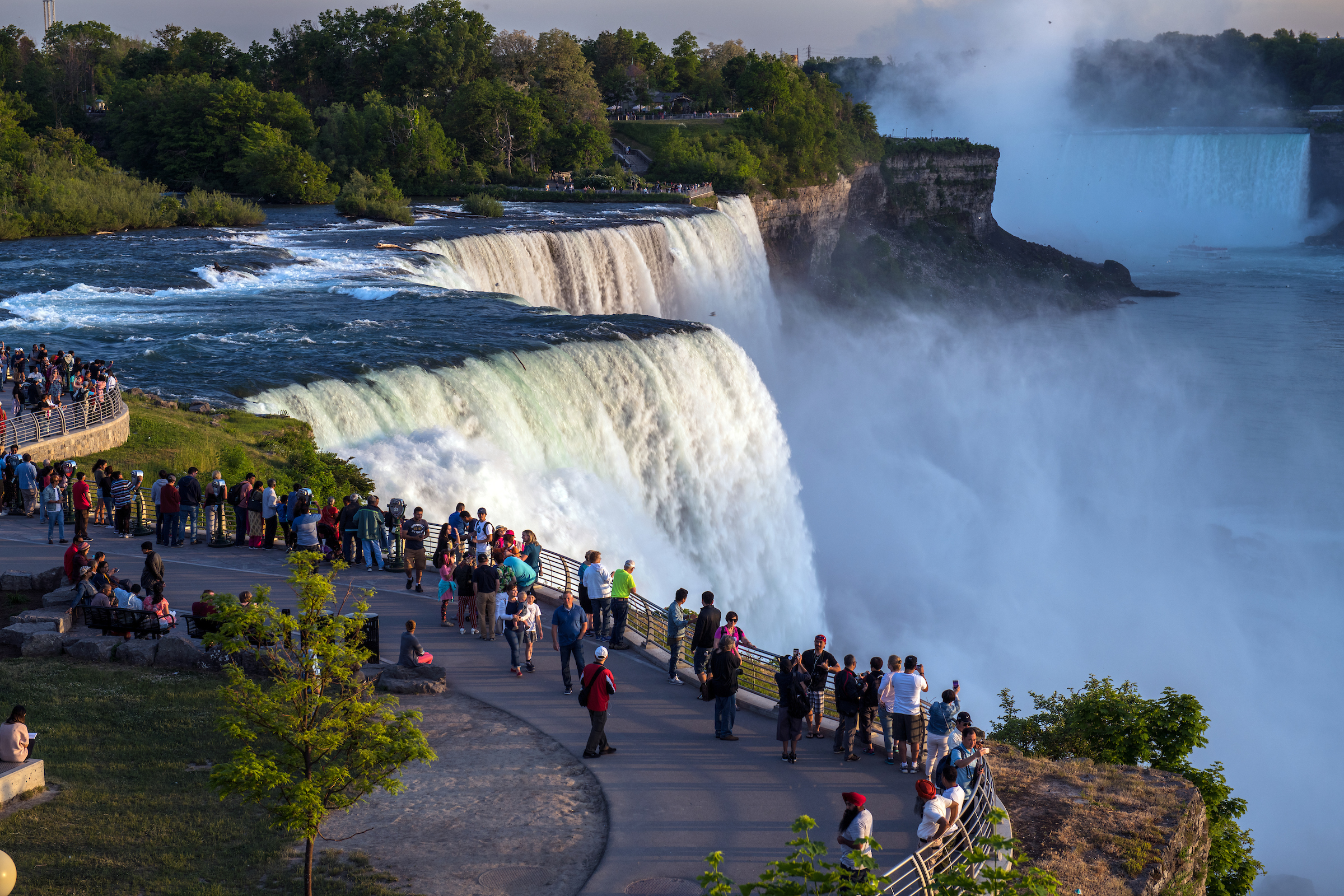
NIAGARA FALLS BUILT THE MODERN WORLD ON ITS POWER. IT CAN DO IT AGAIN.
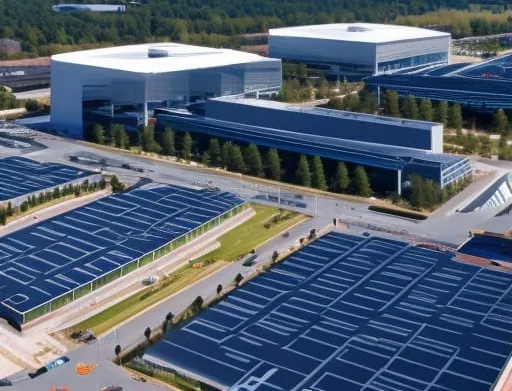
The Data Center That Answers Hochul’s Objections
There was a time when Niagara Falls did not ask Albany whether it was permitted to prosper. The river was here. That was enough.
The town had something Albany couldn’t give it. It used what was here. Water.
Power. Work. Jobs. Industry. A future.
In 1895, the Adams plant took the river and put it into wire. The current went to Buffalo. It changed the industrial world.
Tesla supplied the designs. Westinghouse built the machines. Niagara supplied the falling water.
Then industries came. Electrochemical. Electrometallurgical. They came because Niagara offered abundant, inexpensive electricity.
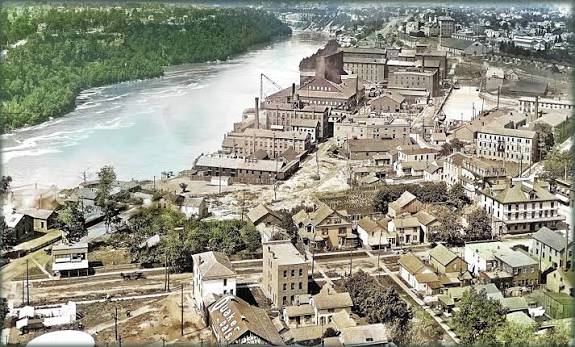
Aluminum. Abrasives. Chlorine. Caustic. Carbide. Graphite. Phosphorus. Ferroalloys. Electrodes. Newsprint. Silverware.
Alcoa. Carborundum. Union Carbide. Hooker. DuPont. National Electrolytic. National Carbon. International Paper, Cliff Paper and Pettebone-Cataract.
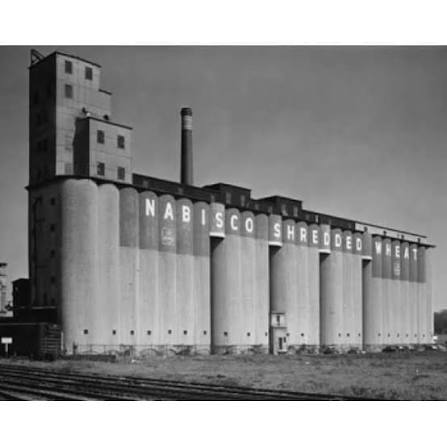
The Shredded Wheat “Palace of Light,” later Nabisco, which ran its ovens on Niagara electricity and put “Niagara Falls” on every box in America.
Stauffer Chemical, Great Lakes Carbon, Airco, Moore Business Forms, Kimberly-Clark’s mill, and Bell Aircraft.
Olin, Acheson Graphite, Oldbury.
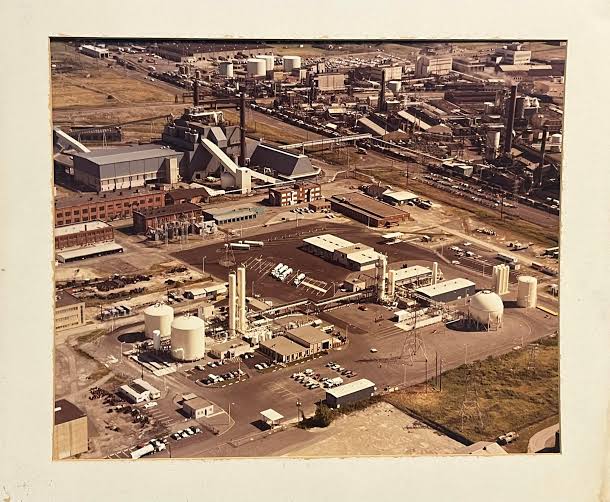
Niagara Falls was not merely a tourist destination. It became a workshop for the century because power was cheap, clean, and close to the river that made it.
The reason was simple. The falls supplied the hydro energy.
Low-cost hydroelectric power, made here and put to work here. People got jobs.
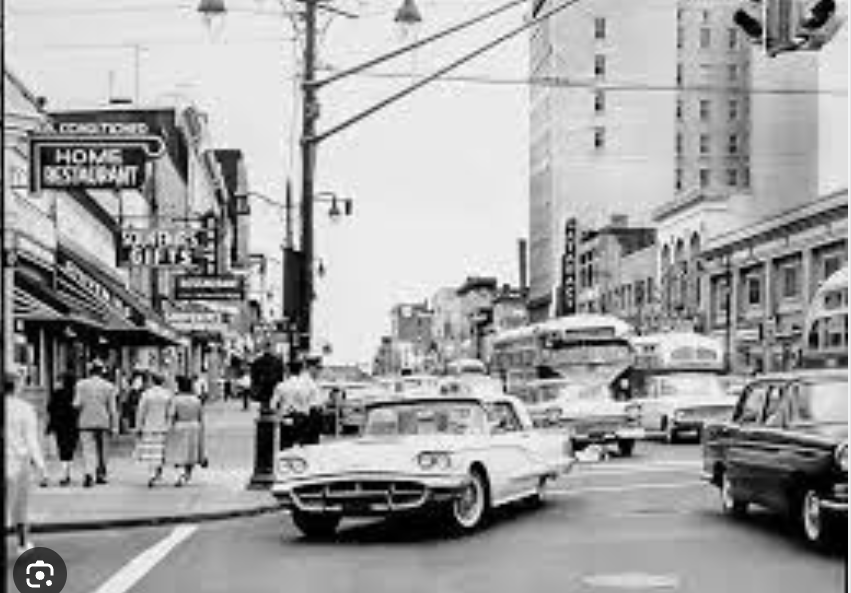
HALF A CITY GONE
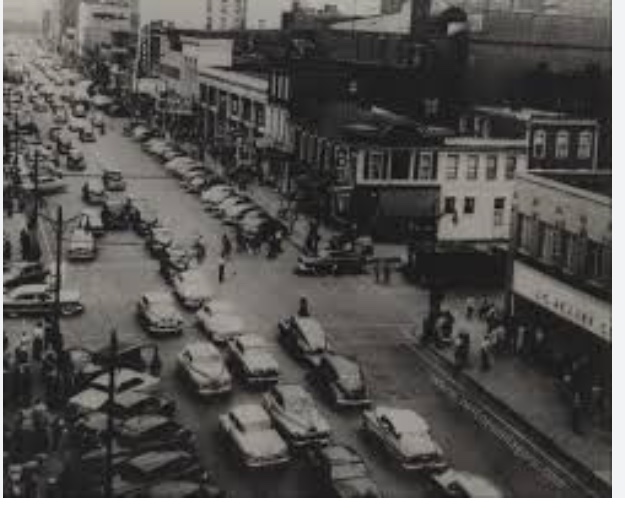
In 1960, the city had more than 100,000 people. Today it has fewer than 50,000. Half a city gone.
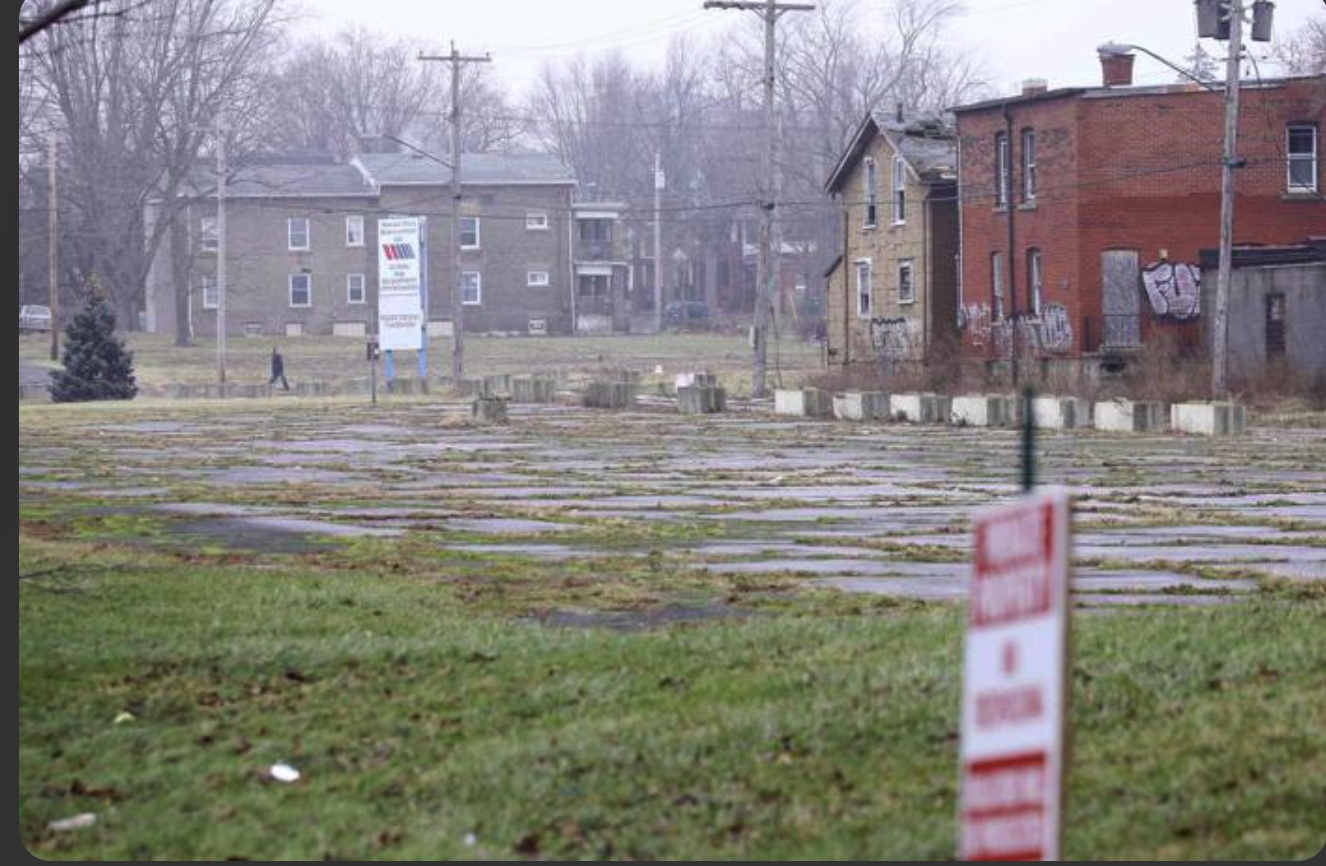
Everybody has a story about the empty houses and vanished jobs. Ask anybody who’s been here long enough. They can point to the plant that closed. The job that disappeared. Everybody in town can tell you where Niagara Falls went wrong.
The power did not leave. The electricity is still being made. The water still comes over the falls. The turbines turn. What disappeared was what electricity used to do for this town.
The benefit was transferred elsewhere. The money and jobs that came with the power. Those left.
When the Robert Moses Power Plant began operating in 1961, it was the largest hydroelectric facility in the Western world, with a capacity of 2,600 megawatts.
Niagara had not run out of power. It had acquired more of it. It remains one of the largest hydroelectric plants in the United States.
For the past six decades, most of that electricity has been transmitted elsewhere. It lights, heats, and cools communities outside Niagara County.
The electricity is generated here. Then it’s sent out of town through the New York Power Authority. Niagara thereby suffered a peculiar economic disaster: Albany took control of its power and exported the competitive advantage behind Niagara’s prosperity.
They ship away the thing that made this town rich. That’s the whole problem in one sentence.

THE PROJECT THAT KEEPS THE POWER HERE
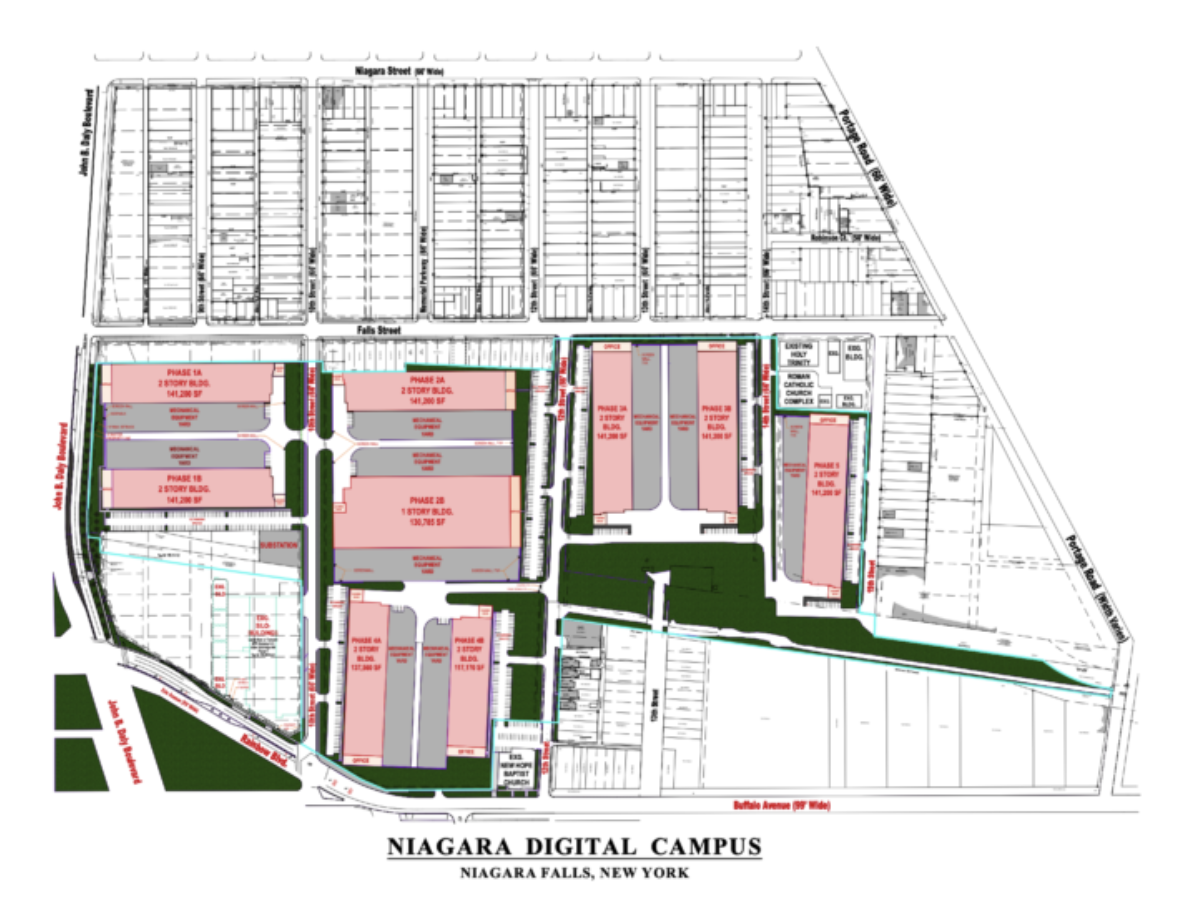
This is why the Niagara Digital Campus deserves close attention. It wants to put Niagara power back in Niagara. Don’t ship it all out to New York City and eight other states. Keep some.
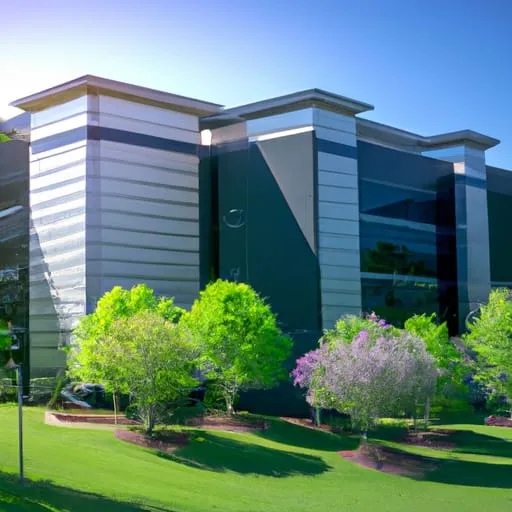
Niagara Falls Redevelopment and Toronto-based Urbacon propose a $1.5 billion privately financed data center campus on roughly 43 acres the developer owns in downtown Niagara Falls.
The plan calls for no public subsidy and no ratepayer-funded grid upgrade. Under the settlement approved by the City Council on June 3, the developer will build and operate its own substation at its own expense.
The campus will use about 140 megawatts. Compared with the Robert Moses plant’s 2,600-megawatt capacity, that is 5 percent.
Five percent of the hydroelectric energy generated here, finally kept here.
The project’s estimates call for the creation of 550 good-paying permanent jobs, 1,700 supporting jobs and 5,600 construction jobs over much of a decade.
The estimates project $414 million in new revenue over 20 years, $298 million for the city and schools, about $7 million annually in property taxes from land that now contributes very little, and approximately $730 a year in tax savings for the average city homeowner.
Dennis Elsenbeck, who formerly ran National Grid operations in the region, put the argument simply: “This is how you broaden the ratepayer base. How you stabilize electric rates.”
A large customer using power steadily around the clock spreads those costs across more electricity sales, reducing the burden borne by other customers.
It is calculated to lower electric rates.
WHAT ALBANY DID IN JULY
On July 14, Gov. Kathy Hochul signed Executive Order 62, imposing a statewide moratorium of up to one year on new data centers of 50 megawatts or more.
Concerns include energy demand, water, air quality, and noise. Those are fair questions to ask of a data center in a place that has none of the answers.
Niagara Falls, however, is the place where those questions produce unusually favorable answers.
Energy demand: Niagara already generates large quantities of hydroelectric power locally.
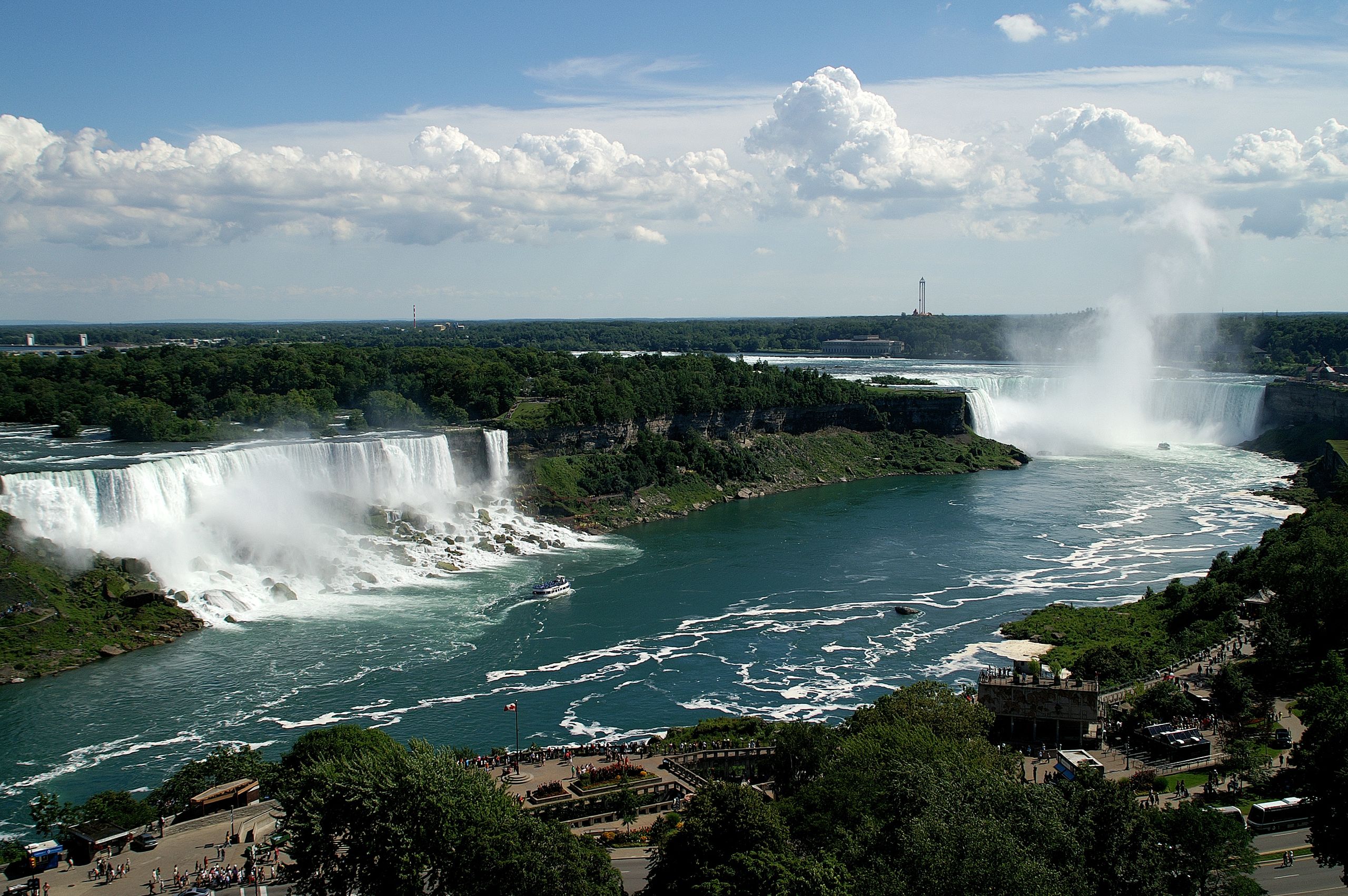
Water is hardly scarce in Niagara Falls.
As for air quality, the campus would rely principally on hydroelectric power rather than combustion.
Noise: This project is proposed for 53 acres of vacant downtown land that has gone unused for a generation.
If any proposed data center in New York can answer the objections that produced the moratorium, this is the candidate.
The rest of the industrial world has already recognized what Albany appears to be discovering reluctantly. Modern data infrastructure follows:
Abundant power.
Reliable power.
Preferably clean power.
Cold weather helps.
Niagara possesses all four.
Sixty years ago, those advantages made Niagara Falls an obvious industrial location. The factories changed. That’s all. Now the big industrial customer is a data center.
This time, a developer controls the land and says it is ready to invest. The remaining question is whether state government will say no.
WHERE IT STANDS
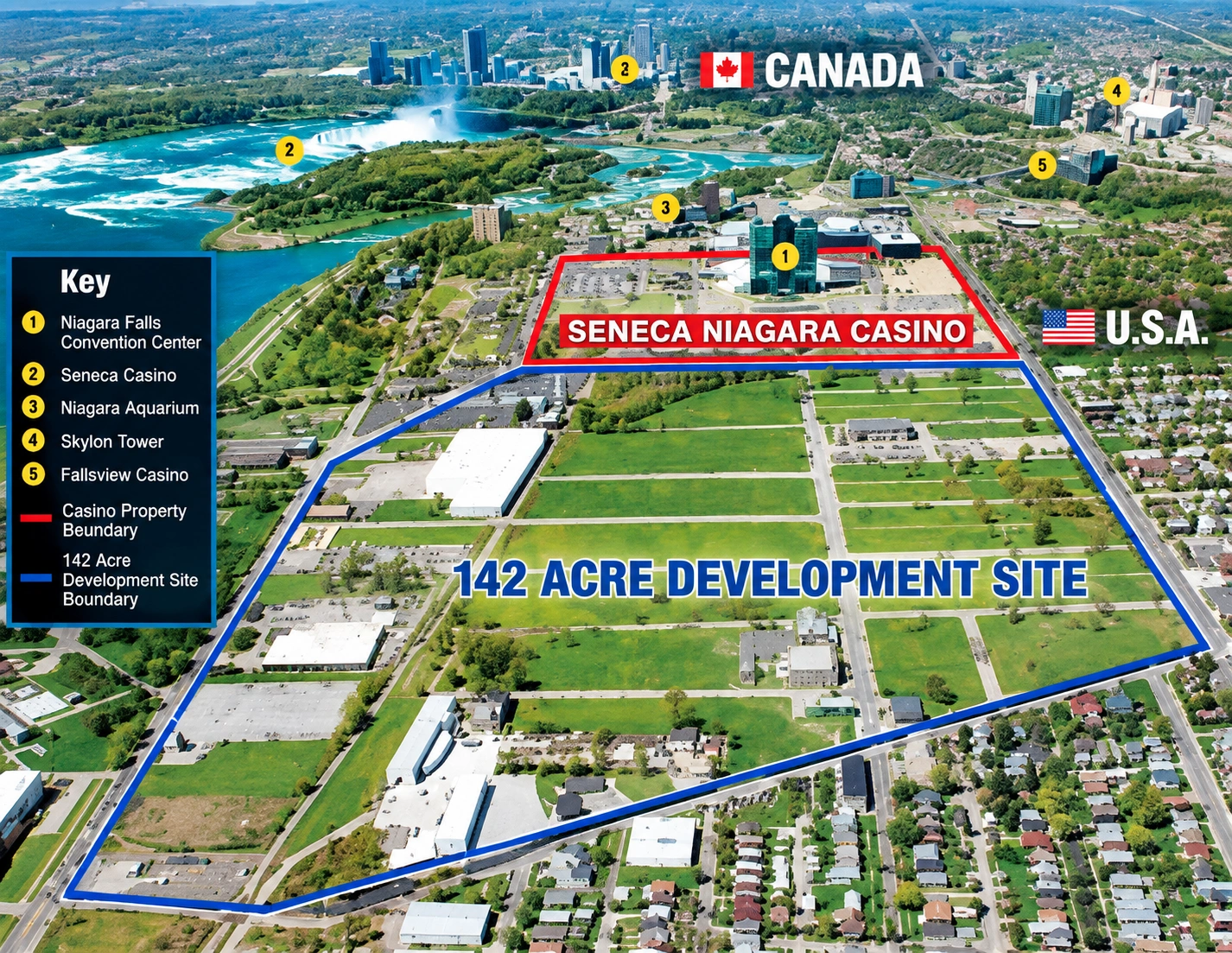
The dispute with City Hall over Parcel 0 has been settled. The city received 10 acres for Centennial Park. Niagara Falls Redevelopment obtained the necessary zoning, permits, and easements. City Hall is no longer the problem.
The company must now redesign the project around the land it surrendered to the city. No construction date has been formally announced. But if redesign and approvals proceed as expected, work could begin in summer 2027.
The question is whether New York State will permit a project designed to use locally generated Niagara power for local economic development.
The state built Robert Moses and told people Niagara power would help rebuild Niagara. Now someone has finally shown up with a project that actually uses Niagara power in Niagara.
What does the state do?
That’s the question.
The Niagara Digital Campus offers an opportunity to retain some of the economic value created by Niagara’s hydroelectric resource locally.
Let the river do locally what it once did so magnificently: create prosperity.
The water is still there. The hydro power is being produced. Niagara Falls Redevelopment wants to put it back to work for Niagara Falls.