Niagara Falls Hosts Oldest State Park But State Needs to Provide More Assistance
By Tony Farina
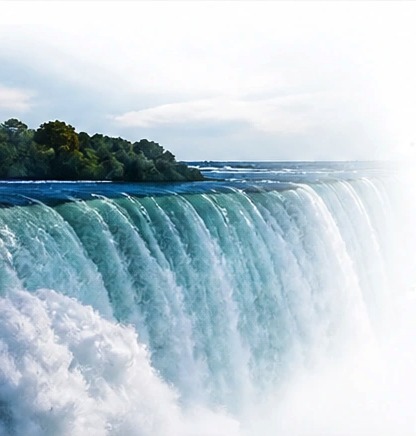
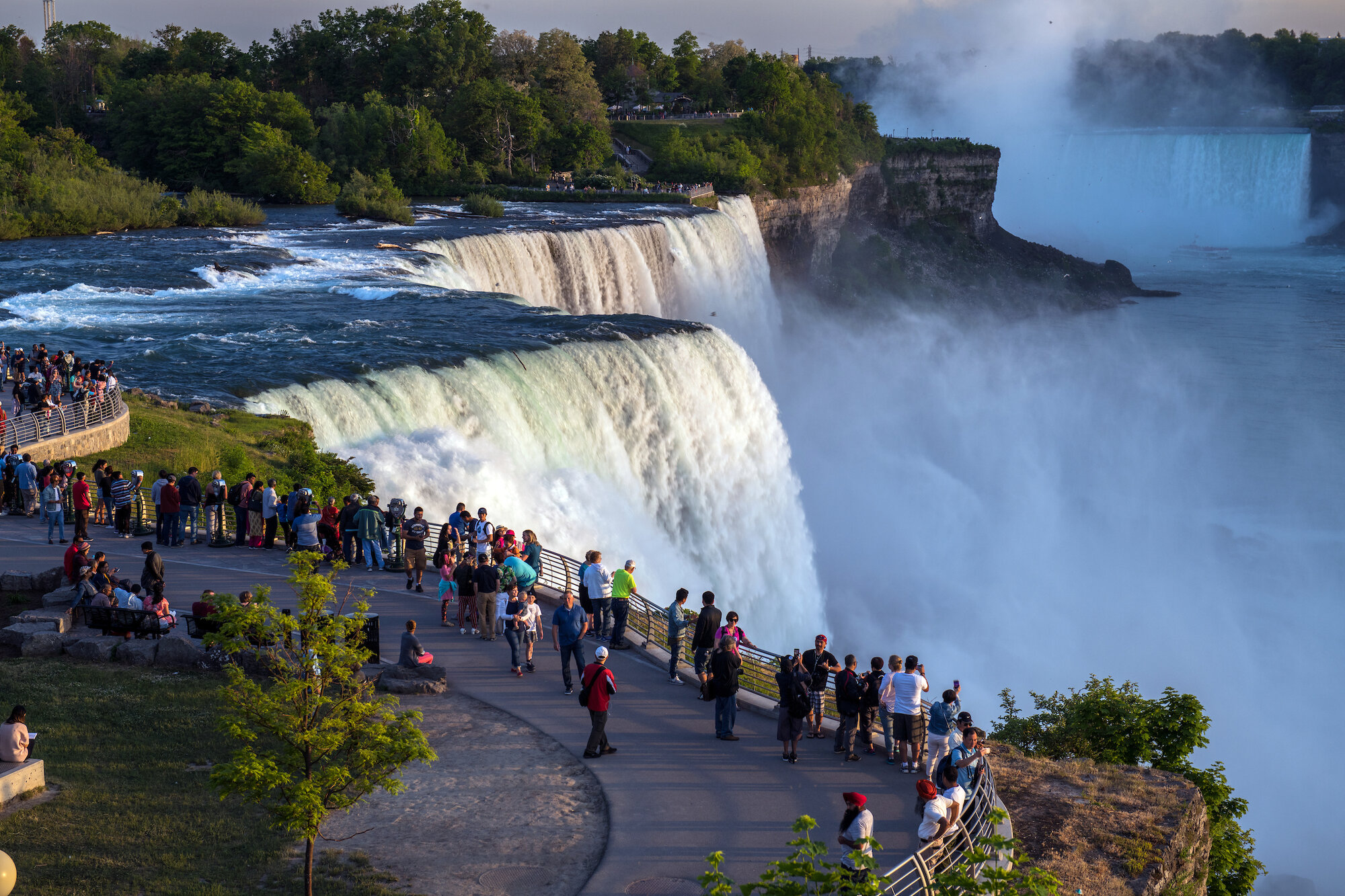
The Niagara Falls State Park, located in Niagara Falls, N.Y., and created in 1885, is recognized as the oldest state park in the U.S. and contains the American Falls, the Bridal Veil Falls, and a portion of the Horseshoe Falls (also known as the Canadian Falls).
Following a $44-million refurbishment of the 221-acre park in 2003, in 2007 it was named the 10 th most beautiful spot in America by “The Today Show.” According to the state’s Office of Parks, Recreation, and Historic Preservation, the State Park receives more than nine million visits each year. It is the number most frequently used by the state.
While that number may be open to debate in some quarters, a lot of people from around the world visit the State Park in Niagara Falls, and many people in Niagara Falls continue to ask what New York State should be doing for the park’s host city.
The city and the park are not separate destinations; they function together. Yes, the state owns and operates the park, but the city provides the streets, neighborhoods, gateways, and public services that visitors encounter before and after entering it.
But we should note here that local tourism advocates question how that figure is calculated. They point to the seasonality of Niagara Falls tourism and Western New York’s cold winters and the dramatic decline in visible attendance outside the summer and fall months. They also ask whether the nine-million figure represents nine million separate tourists or local entries, including repeat visits by residents, employees, vendors, tour operators, and others who enter the park many times during the year.
The state should publicly explain the counting method, but even if the nine-million figure is accepted completely, it raises a larger question: what is the city of Niagara Falls receiving in return for supporting this enormous volume of activity? Let’s take a closer look for the purpose of presenting this story for public review, as that’s what we’re doing here.
Visitors do not arrive at Niagara Falls State Park by waterfall. They travel over city streets, through city intersections and past city homes and businesses. Tour buses, delivery trucks, automobiles and pedestrians place continuing pressure on local roads, sidewalks, traffic signals, sanitation systems, and public safety services.
The state benefits from parking fees, concession agreements, attractions and tourism activity inside the park. It controls relationships involving the Maid of the Mist, Cave of the Winds, food services, retail operations, and Delaware North concessions. Yet many of these costs created by tourism extend beyond the park boundary and fall upon the taxpayers of Niagara Falls.
Many believe, including this writer, that New York State should come to the aid of the host city for infrastructure repair and cleanup because the state is hosting these visitors, too.
These are not visitors coming only to a municipal attraction. They are coming to a New York State Park. The state invites them, markets the destination, collects revenue from their presence,sence and benefits from the international recognition of the Falls. It therefore shares responsibility for the streets they travel, the public spaces they use, and the community affected by their presence.
Many of us believe the state should create a permanent Niagara Falls Gateway and Infrastructure Fund. This fund should provide recurring annual assistance for road repairs, sidewalks, street lighting, traffic systems, landscaping, sanitation, public safety, and transportation improvements throughout the tourism district and its surrounding neighborhoods.
A reasonable starting point would be a state contribution based on reported park attendance. If the state continues to claim more than nine million annual visits, even one dollar per visitor would produce more than $9 million each year for the host city.
The city of Niagara Falls should not have to compete repeatedly for grants to repair the roads leading to New York State’s most famous attraction. Hosting the park is a permanent responsibility, and the state’s financial support should be permanent as well.
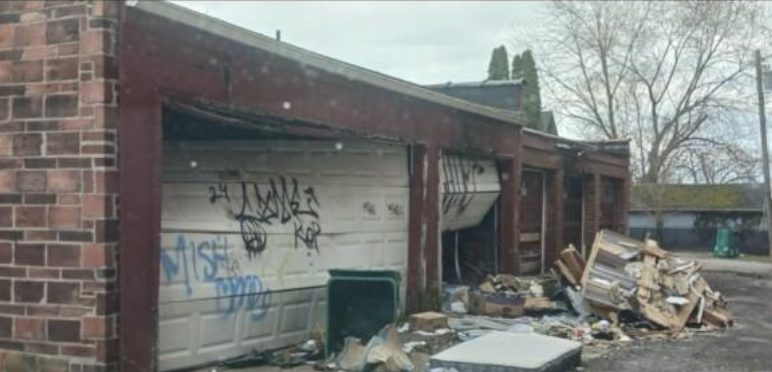
City Cleanup must also be treated as a shared responsibility. Large visitor volumes create litter, overflowing waste containers, damaged landscape, traffic congestion and additional demands on police, fire and emergency personnel. These actions do not stop at the park gates, so it stands to reason that New York State be, at least, partially responsible.
The state should help fund sanitation crews, street sweeping, beautification, seasonal maintenance, snow removal, landscaping and cleanup programs within the downtown tourist district. The city should look clean, safe, and welcoming from the moment visitors arrive, not only after they enter state property.
New York also has a special obligation because of the many downtown properties it acquired from businessman “Smokin’ Joe” Anderson. Those acquisitions gave the state considerable control over the future of Niagara Falls.
The state said the properties would be returned to productive use and would support development, increased visitor spending and a stronger downtown. That promise must be fulfilled.
Every state-owned property outside the park should have a published status, intended use, maintenance plan and timetable for development or disposition. Public ownership must not become another form of long-term land banking. Properties ready for development should be marketed competitively for housing, hotels, restaurants, entertainment, retail and mixed-use projects. Parcels not ready for permanent development should be cleaned, landscaped and temporarily activated with markets, public art, seasonal events, recreation or small-business opportunities.
The next stage of development must also connect the State Park to Third Street, Main Street, Pine Avenue, the Aquarium of Niagara, the Underground Railroad Heritage Center, the convention center and surrounding neighborhoods.
The objective should not merely be to move visitors into the park as quickly as possible. It should encourage them to remain in Niagara Falls, patronize local businesses, stay overnight and experience the entire city.
For too long, success has been measured by attendance alone. The better measurements are how long they stay, how much they spend outside the park, how many local businesses benefit, how many residents are employed, and how much new taxable development is created.
New York State has invested heavily inside Niagara Falls State Park. But improving the park is not the same as rebuilding the city that hosts it.
Yes, the state operates the park, but the people of Niagara Falls host the world. It is time for the state to accept its full responsibility for both.
I write this as food for thought for the state in giving Niagara Falls the help it needs and certainly deserves.