
The Risks of Sudan’s Division: A Looming Catastrophe
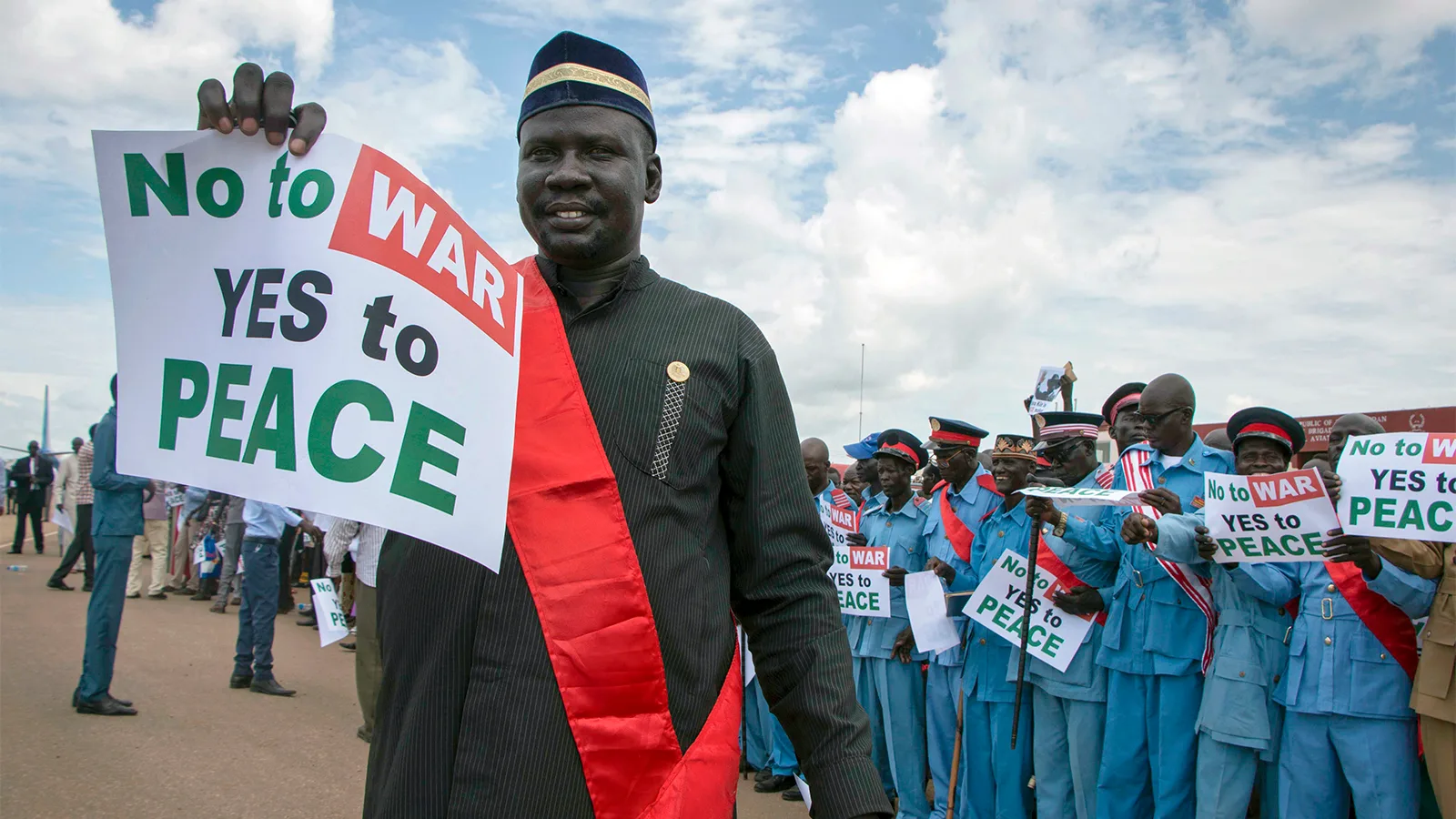
Sudan, a nation long beleaguered by conflict and political turmoil, stands on the precipice of further division, a prospect that could unravel the state’s already fragile structure. The possibility of splitting Sudan into smaller entities presents a myriad of risks and consequences, each with the potential to exacerbate the current humanitarian disaster. As the situation in Sudan deteriorates, understanding these risks becomes crucial for the international community, regional actors, and the Sudanese people themselves.
Risks of Division
- Escalation of Armed Conflicts
The most immediate and dangerous risk associated with the division of Sudan is the potential for a sharp increase in armed conflicts. Sudan’s diverse ethnic and political landscape has long been a tinderbox, where various factions vie for power and control. If the country were to split, these divisions could deepen, leading to violent clashes that would cause widespread human suffering. The already dire situation could spiral out of control, with numerous groups taking up arms to protect their interests or to capitalize on the ensuing chaos.
- Economic Disruptions
Sudan’s economy, already under severe strain, would face further disruptions in the event of division. The splitting of the state would likely sever critical supply chains and destabilize economic infrastructure, plunging the country into deeper economic despair. This would affect everything from food distribution to medical supplies, leading to shortages that could push millions more into poverty and exacerbate the ongoing humanitarian crisis. The ripple effects of such economic collapse would be felt not only within Sudan but also across its borders, threatening regional stability.
- Humanitarian Crises
The fragmentation of Sudan would inevitably lead to massive displacement, with millions of people forced to flee their homes. This would intensify the already critical humanitarian crisis, placing unbearable pressure on both humanitarian organizations and neighboring countries. Camps for internally displaced persons (IDPs) and refugees would swell beyond capacity, creating conditions ripe for disease outbreaks and exacerbating the suffering of vulnerable populations. The international community, already stretched thin, would struggle to provide adequate support, leading to untold human misery.
- Security Deterioration
The weakening of Sudan’s central state would likely result in a significant deterioration of security. With the government unable to maintain control, criminal activities such as human trafficking, arms smuggling, and illicit trade would flourish. The breakdown of law and order could also create a fertile ground for extremist groups to gain a foothold, posing a serious threat not only to Sudan but to the broader region. The proliferation of such activities would further undermine efforts to restore stability and peace.
- Challenges in Establishing Stable States
History has shown that the division of a state often leads to the creation of weak, unstable entities that struggle to manage their affairs effectively. In Sudan’s case, the formation of new states would likely be hampered by ongoing conflicts, economic instability, and a lack of governance infrastructure. These new states might find it difficult to establish legitimacy or deliver basic services, leading to chronic instability and potentially setting the stage for further fragmentation and conflict.
Consequences of Division
- Impact on Neighboring Countries
Sudan’s neighbors would not escape the fallout of its division. The influx of refugees, combined with the potential spread of conflict across borders, would destabilize the region. Countries like Chad, Egypt, and South Sudan could see increased security threats and economic pressures as they try to manage the humanitarian spillover. This could lead to regional tensions and complicate efforts to address the root causes of Sudan’s crisis.
- Economic Decline
The division of Sudan would likely exacerbate its already dire economic situation. The redistribution of resources among newly formed states could lead to inequities, fueling discontent and further destabilizing the region. Development projects could stall, leading to a decline in living standards, rising unemployment, and an increase in poverty. The country’s potential for economic recovery would be severely undermined, with long-term consequences for its people.
- Destruction of Infrastructure
Sudan’s infrastructure, already suffering from years of neglect and conflict, could be further devastated by division. The separation of states would make it difficult to maintain or rebuild critical infrastructure, such as roads, schools, and hospitals. This would hinder the delivery of essential services, compounding the challenges faced by the population. The inability to use infrastructure in an integrated manner would cripple efforts to improve living conditions and promote development.
- Loss of National Identity
A divided Sudan would likely see the erosion of a shared national identity, with separate regions or states developing their own distinct identities. This could fuel separatist movements in other parts of the country, leading to further fragmentation. The loss of a unifying national identity would make it harder to foster social cohesion and could lead to increased tensions between different groups, further destabilizing the region.
- Strained International Relations
Sudan’s division would have significant repercussions for its international relationships. The newly formed states might struggle to establish diplomatic ties or maintain existing alliances, leading to isolation on the global stage. Economic relations could also suffer, with foreign investors wary of engaging with unstable entities. The international community would face challenges in navigating the new political landscape, potentially leading to a reduction in foreign aid and investment.
The Current Crisis: A Snapshot of Sudan’s Descent
Since April 2023, Sudan has been embroiled in a brutal conflict between the Sudanese Armed Forces (SAF) and the Rapid Support Forces (RSF). The violence has led to over 15,500 deaths and the displacement of 9.5 million people, with millions more facing acute food shortages. The situation in Darfur and Khartoum is particularly dire, with continuous bombings, destruction of medical facilities, and widespread infrastructure collapse. The international community has called for an immediate ceasefire and improved humanitarian access, but the prospects for peace remain bleak.
The Role of the Intelligence Service in Sudan’s Future
Amidst this turmoil, Sudan’s intelligence service, historically known for its repressive tactics, has gained renewed power. Recent amendments to the General Intelligence Service (GIS) law have granted the agency broader powers, including the authority to conduct arrests, detain individuals, and operate with near impunity. These changes, driven by the ongoing conflict, have sparked concerns about further human rights abuses and the potential suppression of civil liberties.
As Sudan teeters on the brink of further division, the role of its intelligence service will be crucial in determining the country’s future. Whether it acts as a stabilizing force or exacerbates the conflict will have profound implications for the nation’s path forward.
The divisions within Sudan carry profound risks that could plunge the country into deeper chaos, with significant consequences for its people and the region. While the immediate threats of armed conflict, economic disruption, and humanitarian crises are clear, the long-term challenges of establishing stable governance, maintaining security, and preserving national identity are equally daunting. The international community must remain vigilant and proactive in addressing these risks to prevent the situation in Sudan from worsening.