Niagara Falls
THE
NIAGARA FALLS REPORTER
LOCAL NEWS  •  LOCAL VOICES  •  LOCAL MATTERS

The Many Factors Contributing to Occupational Heat Stress
S
Staff  ·  June 11, 2019
The Many Factors Contributing to Occupational Heat Stress
SharefXin

Please click the link below to subscribe to a FREE PDF version of each print edition of the Niagara Reporter

http://eepurl.com/dnsYM9


By: Randy Palladino

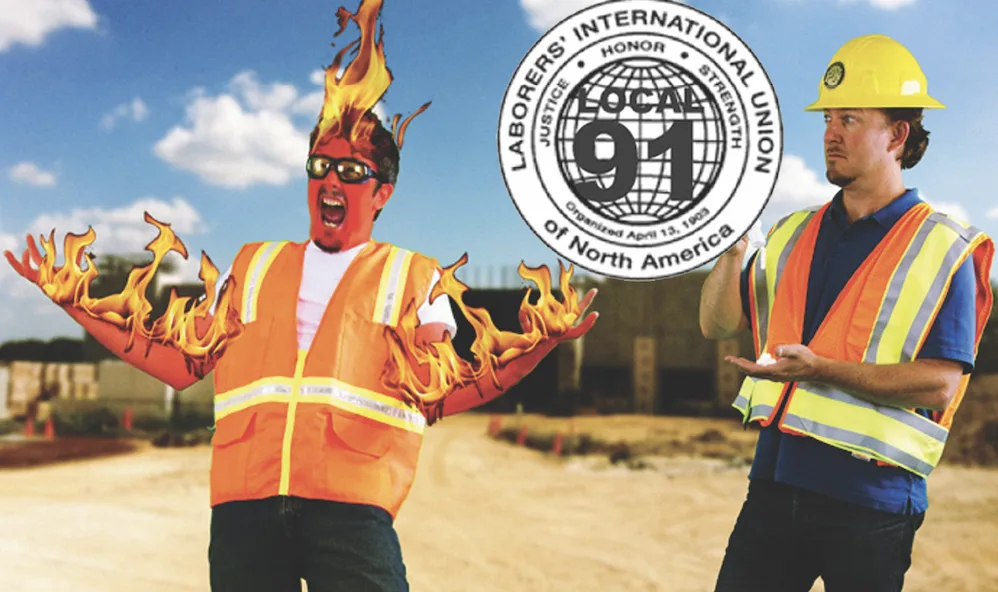
Heat can be deadly for workers. In 2017, 32 workers died from heat exposure, with 12 of them being construction workers. Every year, even more workers suffer from heat illness. In 2017, almost 2,500 workers suffered illnesses from heat exposure and over a quarter of them (650) were construction workers. Heat illnesses can range in severity from minor heat rashes to heat cramps, heat syncope (dizziness and fainting), heat exhaustion and heat stroke, which is the most deadly. Your risk of heat illness depends on more than just the temperature. There are a number of factors that increase your risk:

  • Humidity:As the humidity increases, it feels hotter because less sweat is evaporating from your skin, which is the body’s primary way to cool itself. Humidity can be a major factor in increasing risk for heat illness.
  • Solar radiation:Working in direct sunlight can increase your risk for heat illness by about 15 percent. Just like when you drive in a car and sunlight heats up the inside even with the air conditioning on, direct sunlight can cause your internal temperature to climb.
  • Workload:When you work hard, your muscles generate internal heat as they burn calories to give you the energy to work. The harder you work, the more heat you generate and the greater your heat illness risk.
  • Clothing:Some jobs require workers to wear protective clothing, such as Tyvek suits for asbestos or HazMat jobs. Clothing can interfere with the body’s ability to sweat, further adding to risk for heat illness.
  • Acclimatization:Over time, the body “acclimates” or adapts to working in hot weather. It can take from a few days to a couple of weeks to adjust to working in heat, especially after time off or at the beginning of a heat wave. Overdoing it during that period can increase your risk. Employers can gradually increase workload and provide more rest breaks to allow workers time to get used to the heat.
  • Dehydration:The body needs a lot of water to replenish what it loses through sweating. If you don’t drink enough, you can suffer from dehydration and heat illness.
  • Medical conditions: Some medications can make workers more susceptible to heat. Alcohol and highly caffeinated beverages such as energy drinks can also make you more susceptible to heat illness.

The best way employers can protect workers from heat illness is a combination of three well-known practices: water, rest and shade. In addition to these best practices, employers should allow workers time to acclimate by easing into working in heat over several days. Check weather reports in advance and pay attention to the “feels like” temperature, not just the number of degrees. Make sure all workers are trained to recognize the signs and symptoms of heat stress in themselves and their fellow workers. Everyone on site should also be trained on what actions to take to cool a person’s body until emergency help arrives in the event of heat stroke.

 

**attorney advertising**
SharefXin

Comments (0)

Leave a comment

More From Niagara Falls Reporter

Craig Bucki Stands Out in Race for Supreme Court, Has All the Tools to Be Strong Judge
Featured

Craig Bucki Stands Out in Race for Supreme Court, Has All the Tools to Be Strong Judge

By tony Farina · September 16, 2026

By Tony Farina I’ve covered many court proceedings and trials in my more than 35 years as a newspaper and television reporter and I want to make the point at the beginning of this story that whether elected or appointed, some judges are fair and honest and many others fall short of the mark. In other words, the word jurist does not convey skill and knowledge of the law; it is just a role that some serve with distinction, and others do not. By definition, a jurist is a person who has expert or thorough knowledge of the law but

Is Niagara Falls Crisis Self-Inflicted? Lots of Questions, Few Answers
Featured

Is Niagara Falls Crisis Self-Inflicted? Lots of Questions, Few Answers

By tony Farina · September 15, 2026

By Tony Farina There are certainly many questions swirling around the mayor’s declaration of a state of emergency in Niagara Falls over trash, blight, and deteriorating streets that was declared back on July 20 and has been extended several times since because, according to Mayor Robert Restaino, the City Council refused to approve contractor agreements. But some observers point to depleted staff at City Hall, like in Public Works and Code Enforcement and other departments, as really self-inflicted wounds that are the underlying reasons work is not getting done in the city. Or is there even more to the story,

NIAGARA FALLS BUILT THE MODERN WORLD ON ITS POWER. IT CAN DO IT AGAIN.
Featured

NIAGARA FALLS BUILT THE MODERN WORLD ON ITS POWER. IT CAN DO IT AGAIN.

By Niagara Reporter- · September 11, 2026

The  Data Center That Answers Hochul’s Objections There was a time when Niagara Falls did not ask Albany whether it was permitted to prosper. The river was here. That was enough. The town had something Albany couldn’t give it. It used what was here. Water. Power. Work. Jobs. Industry. A future. In 1895, the Adams plant took the river and put it into wire. The current went to Buffalo. It changed the industrial world. Tesla supplied the designs. Westinghouse built the machines. Niagara supplied the falling water. Then industries came. Electrochemical. Electrometallurgical. They came because Niagara offered abundant, inexpensive electricity.

Niagara Falls Has Millions of Tourists But Needs to Find a Way to Capture That Wealth
Featured

Niagara Falls Has Millions of Tourists But Needs to Find a Way to Capture That Wealth

By tony Farina · September 8, 2026

By Tony Farina The City of Niagara Falls, N.Y., boasts one of the world’s greatest natural wonders that people from around the world come to see, but despite incredible tourism numbers of more than nine million visitors a year, the city of now less than 50,000 people is still pretty darn poor. Niagara Falls does not have a tourism problem; it has a tourism-capture problem, and the distinction should be a starting point for a serious new discussion about the city’s future. And ladies and gentlemen, that discussion needs to start now. The question is no longer whether Niagara Falls