The $1.5 Billion Project the Niagara Falls Mayor Doesn’t Want Residents to Know About

By Frank Parlato
Kevin O’Leary stood at the podium at Data Center World 2025 in Washington, D.C., and declared the obvious to anyone paying attention: “This is the new gold rush.”
The “Shark Tank” star was announcing Wonder Valley, a $2 billion AI-powered data center planned for Alberta. But he was also describing a global phenomenon. Thirty-six states have enacted laws to attract data center developers, including tax exemptions for equipment and construction materials and job-creation credits. Virginia’s Loudoun County built “Data Center Alley” and has seen property taxes decrease because the facilities pay so much in taxes.
Governors are competing. Mayors are begging. Pittsburgh formed an “AI Strike Team” to package land, power, and permitting. Texas is promoting a $25 billion “Frontier” campus. Microsoft is pouring $7 billion into Wisconsin.
And Niagara Falls? Niagara Falls has everything a data center needs—and a mayor who doesn’t want one.
The numbers tell a story that should make every resident of that struggling city deeply concerned.
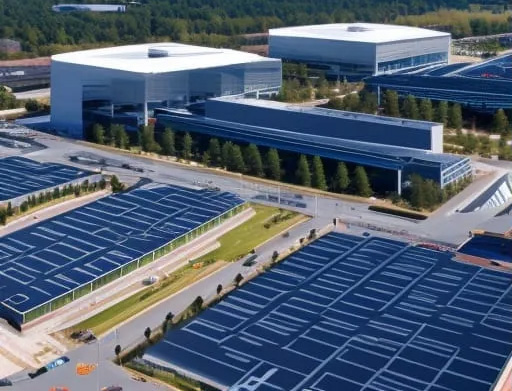
Niagara Falls Redevelopment LLC, owned by Manhattan billionaires Howard and Edward Milstein, has proposed a $1.5 billion data center campus on 53 acres they already own. The Niagara Digital Campus would feature nine buildings totaling 1.2 million square feet, an on-site electrical substation funded entirely by the developers, and infrastructure capable of drawing 140 megawatts of power.
The city of Niagara Falls uses approximately 50 megawatts total.
The power is there. The Robert Moses Niagara Power Plant generates 2,600 megawatts daily—more than 18 times what the data center needs. National Grid has confirmed capacity. The cold climate reduces cooling costs. The land sits waiting.
An economic impact study by MRB Group projects what this would mean:
$414 million in tax revenue over 20 years—$298 million to the city and school district, $54 million to the county, $63 million to the state.
550 permanent jobs averaging around $100,000 annually—engineers, IT professionals, electricians, security specialists.
5,600 construction jobs during the multi-year buildout.
$1.6 billion in total wages over two decades.
$250 million in annual economic activity once operational.
For the average Niagara Falls homeowner, the study estimates $730 in annual tax savings.
This is not speculative. NFR has partnered with Urbacon, a Toronto-based developer that has successfully built data centers across North America since 1984. The project requires zero taxpayer money. The developers are asking only for permission to build on land they legally own.
Consider the city they’re offering to save.
Niagara Falls has a poverty rate approaching 25 percent. Median household income is $48,500—well below New York’s $84,600 average. The population has collapsed from 100,000 to under 48,000. Property values are among the lowest in the state, yet property tax rates are among the highest in the nation. Young people leave. Businesses close. Streets crumble.
The city looks like what it is: a place that lost its industrial base and never found a replacement.
NFR is offering that replacement. A privately funded bridge to the economy of the future. Jobs that don’t disappear when tourist season ends. Tax revenue that doesn’t depend on weather or Canadian exchange rates.
And Mayor Robert Restaino has spent three years trying to kill it.
He wants the land—specifically, a 10-acre parcel called Parcel 0 that serves as the entranceway to the entire project. Without it, the data center cannot be built.
Restaino wants to build a 7,000-seat arena instead. His project has no financing. No anchor tenant. No feasibility study that wasn’t written to his specifications. Cost estimates range from $178 million to $217 million—paid by taxpayers in a city that can’t fix its potholes.
The data center would pay the city $20 million annually in taxes.
The arena would cost the city an estimated $17 million annually in debt service and operations.
This isn’t a difference of opinion about economic development. This is fiscal insanity.
Or something worse.