State Parks Plan to Rebuild Bridges to Goat Island; say they will follow environmental regulations [for a change]
N
Niagara Reporter- · February 24, 2016
![State Parks Plan to Rebuild Bridges to Goat Island; say they will follow environmental regulations [for a change]](/media/04ceeec20b8b575eeef3856f.webp)
SharefXin✉
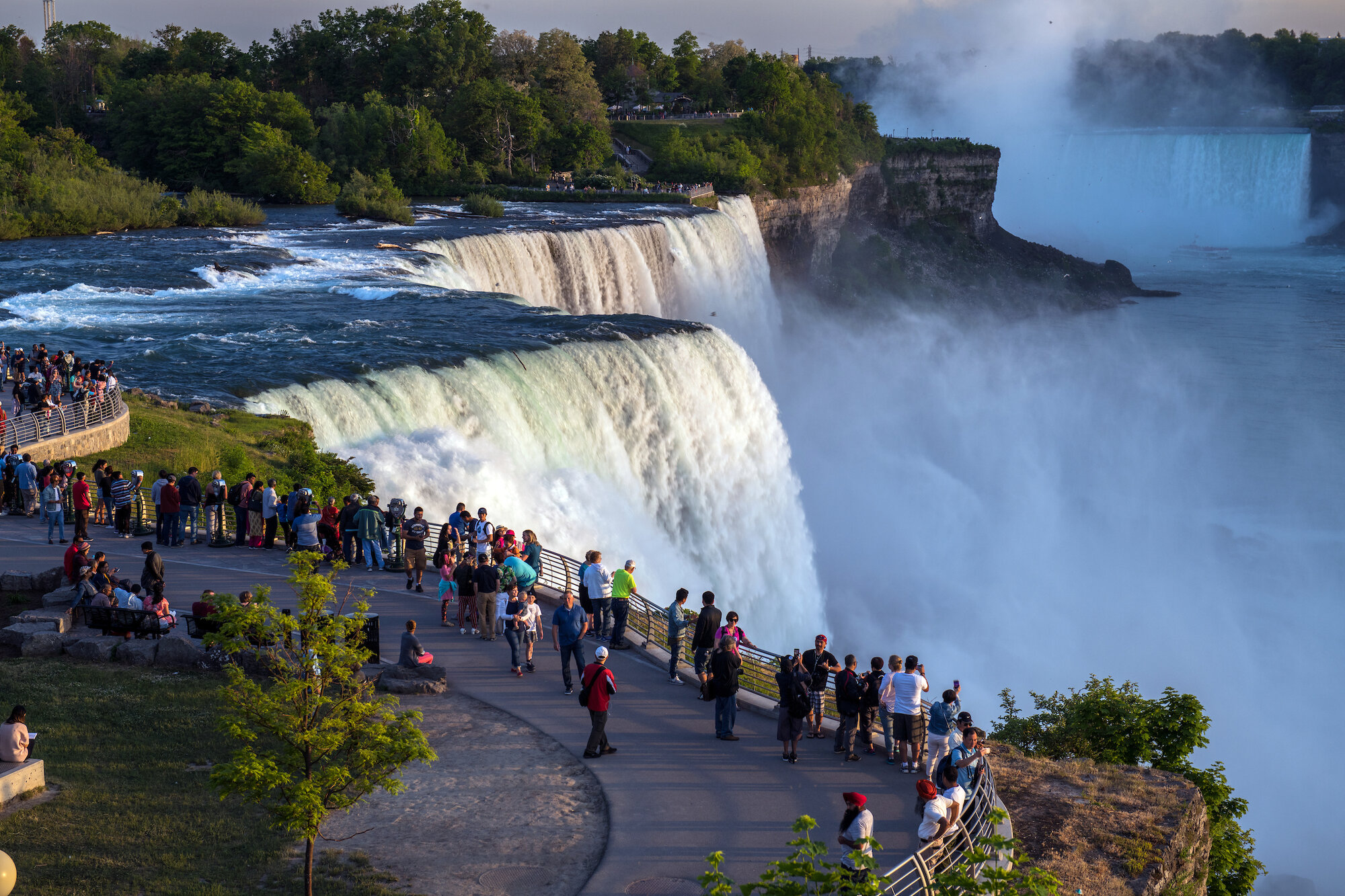
An October, 2015 Design Report/Environmental Assessment document jointly issued by the NYS Office of Parks, Recreation and Historic Preservation (OPRHP) and the New York State Dept. of Transportation (NYSDOT) outlines the steps the two agencies will take to obtain the myriad regulatory approvals necessary to move forward with the construction of two new bridges in the Niagara Falls State Park.
Steps that State Parks has deliberately, repeatedly and illegally ignored in its pursuit of massive projects it has undertaken here recently, in violation of state and federal law and international treaty obligations.
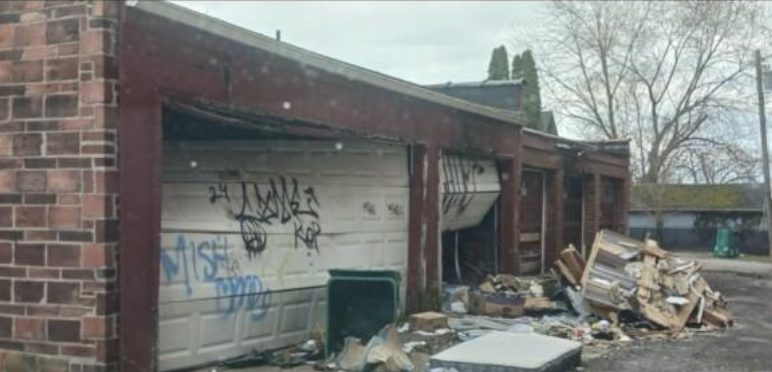
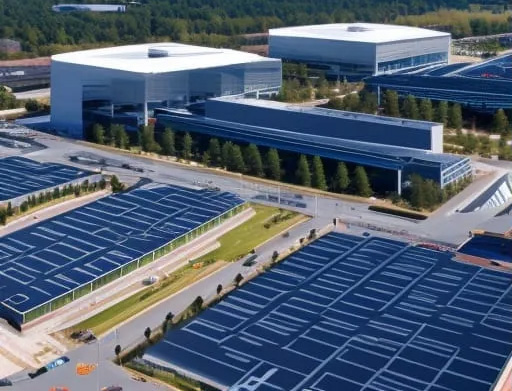
For example, the $50 million Niagara Falls State Park “Landscape Improvements” plan, the $35 million Maid of the Mist Winter Storage Facility and the now-relocated Parks Police barracks next to it, all three with enormous environmental impacts, were planned and implemented with zero formal review under the law.
How exactly has State Parks skirted the rules?
The Landscape Improvements plan received a “negative declaration” under SEQRA from its lead agency, which was, surprise, State Parks.
A negative declaration means there are no anticipated environmental impacts, thus it was shielded from regulatory scrutiny. To accomplish this legal backflip, they contrived to split the plan up into separate, smaller projects, supposedly none large enough or with sufficient environmental impact to justify review through scoping sessions and public comment periods.
Try explaining that to the numerous local citizens who are outraged over the bulldozing, paving and fencing off of Three Sisters Islands – that there were no environmental impacts.
In addition, aspects of the Three Sisters “remediation” violated both the federal Clean Water Act and the international Boundary Waters Treaty, something we extensively documented, at the time it was taking place.
Both the initial Parks Police barracks and Glynn’s new boatyard were similarly rushed forward without benefit of SEQRA oversight, while a National Register of Historic Places application was summarily withdrawn to make way for the Maid drydocks. If a location such as the Schoellkopf site is even under consideration for such designation, as it was, a formal public process should have taken place before Glynn was allowed to go on his rampage there.
However, times have changed. In undertaking the bridge reconstruction, State Parks and the NYSDOT, according to the recently-released Design Report/Environmental Assessment, will endeavor to obtain the following laundry list of permits: Protection of Waters Permit, State Pollutant Discharge Elimination System (SPDES) General Permit, Coastal Zone Consistency Certification Statement, State Road Use Permits, Section 404 of the Clean Waters Act Nationwide Permits 3 and 33 (both of which they neglected to secure prior to the Three Sisters debacle) and Section 10 of Rivers and Harbors Act Permit.
Back in 1999, State Parks held a formal SEQRA process to evaluate alternatives for the Observation Tower in Niagara Falls State Park. Ten years passed before local residents were again afforded the opportunity to critique proposals for state-owned and operated waterfront. That was the infamous April, 2009 south Robert Moses Parkway hearing at which State Parks representatives and their consultants appeared fortunate to exit the building in one piece.
It took a few more years before State Parks gingerly began dipping its toe back into the water, holding the recent series of bridge-replacement stakeholder hearings on August 6, 2013 and September 23, 2014 and January 27, 2016, where the public could “have its say”.
In the meantime, the Landscape Improvements plan and the Glynn boatyard were rammed through, as was the police barracks, although the politicians, in the face of more public outrage, intervened in that one.
What should be taken away from all this?
Coming off a history of jealously guarding its fiefdom in Niagara Falls State Park for the benefit of Albany, Delaware North and Maid, running roughshod over the law and shutting out all local oversight of its lucrative tourist empire, State Parks is now making a big show of inviting public input on the design of a couple of bridges. Bridges which, everyone admits, need to be replaced eventually. And bridges which, for the most part, few who live here could care less about.
So State Parks doesn’t deserve any plaudits for holding hearings and inviting public comment on an issue as mundane and commonplace as bridge construction, something that happens probably hundreds, if not thousands, of times across the country every year.
SharefXin✉