Relicensing Power Deal Not Great for Niagara Falls

By Tony Farina
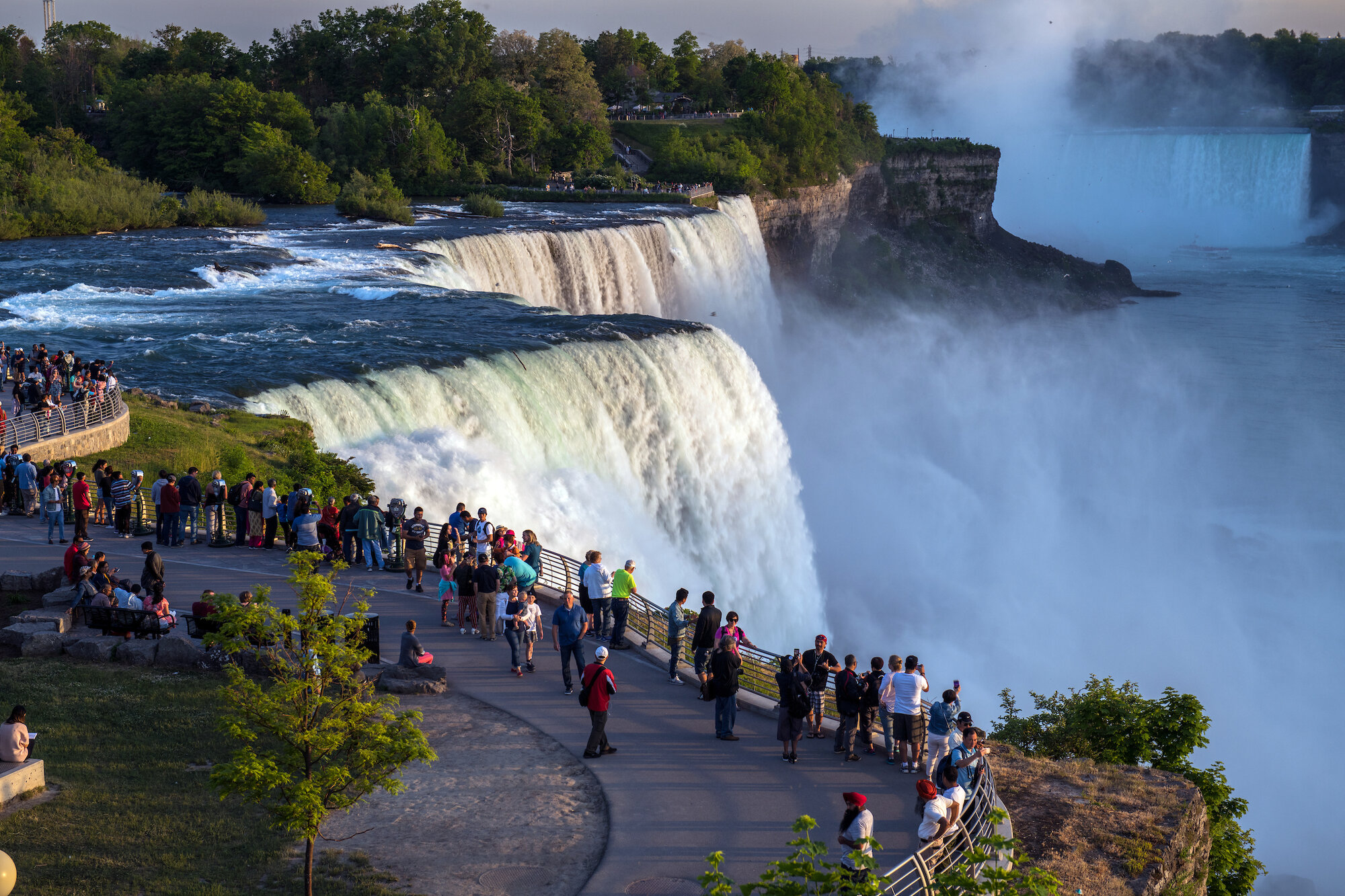
Niagara Falls, N.Y., is good at getting the short end of the stick and that was the case once again in the power project relicensing deal with Buffalo getting the big payoff while Niagara Falls is still waiting for a visible transformation. If the Niagara Power Project is in the Falls and the turbines, land and water impact are in the Falls, why did the Falls come out on the short end again?
Buffalo got a relicensing deal that was large, centralized, and easy for the public to see. It is commonly described as a $279 million, 50-year waterfront development package, and Buffalo also benefits from the Buffalo and Erie County Greenway Fund, which receives $2 million every year under the relicensing framework.
Why does the structure matter? When money is concentrated, branded, and tied to a clear public goal, people see results. They see waterfront access, trails, and public spaces. They see Canalside, the Outer Harbor, and a bigger story about momentum. State announcements over the years have tied relicensing-related greenway funding to waterfront and shoreline projects that the public can point to and use. Niagara Falls did not get that.
So what happened? The Niagara side was structured through the Niagara Power Coalition, which received a package that included 25 megawatts of low-cost hydropower, a Host Communities Fund worth at least $5 million annually, and a Host Community Greenway Fund worth $3 million per year.
All that may sound significant, and on paper it is, but here is the catch: those benefits were not concentrated in the City of Niagara Falls. They were spread across multiple host communities, school districts, and other local entities. The City of Niagara Falls’ direct share of the $5 million Host Communities Fund is 17 percent, or about $850,000 a year.
That is the whole story in one number. Buffalo got the kind of package that can reshape a city’s image. Niagara Falls got the kind of package that gets divided up, debated, and diluted.
Supporters say the current structure will say Niagara also received low-cost power and project funding, and that is true. But the low-cost power savings do not create the same kind of momentum as a unified redevelopment strategy. Recent reporting says the City of Niagara Falls saved about $1.591 million in electricity in 2025 through its hydropower allocation. That is real money, but no family drives by an electric bill savings and says, “Look what this city is becoming.” And that gets to the political heart of the issue.
People in Niagara Falls are not only asking how much money came here? They are asking where the development is.
The real answer is that much of Niagara’s relicensing-related money has gone into smaller, more scattered projects: LaSalle Waterfront Park, Griffon Park, Hyde Park improvements, Niagara Riverview Trail work, LaSalle Greenway Trail improvements, Gill Creek corridor work, 91st Street Park, Jayne Park. and similar efforts. More recently, local entities discussed using over $3 million in host community funds for shoreline restoration and park infrastructure.
The above projects are not meaningless, and yes, some are worthwhile and some are overdue. But taken together, they do not compare in public impact to the concentrated waterfront buildout Buffalo received.
We should also note another factor in what happened because some of the proceeds under the relicensing deal to Niagara Falls ($13.4 million) were used by then-Mayor Paul Dyster less as a development springboard but rather as a way to stabilize Dyster’s 2012 operating budget gap tied to the casino revenue dispute or else the mayor would have a political problem.
Let’s put it this way: Buffalo got a redevelopment strategy, and Niagara Falls got a benefit-sharing formula that was partly used to help preserve payroll, contracts, and benefits, including for politically important public-safety functions. In other words, short-term budget relief seems to have won out over a city-shaping relicensing redevelopment legacy. But that’s sort of what happened.
The result in any event is that Buffalo got headlines, investment lures, and helped change civic identity. The other produces a patchwork drained a bit by political needs. And that resulting patchwork has consequences. Niagara Falls is the host city of one of the most important power assets in New York State, yet it still struggles with the kind of visible, city-shaping investment that residents were led to believe relicensing would help deliver.
That is why the public keeps asking the hard questions. Not because people oppose parks, trails, or green space, but because they can see with their own eyes that Buffalo leveraged relicensing into a recognized development story while Niagara Falls got smaller pieces spread all over the board.
If local leaders want to restore trust, and let’s hope and pray they do, they should stop pretending the public is confused. The public understands exactly what happened:
• Buffalo got the spotlight
• Niagara Falls got the leftovers
Until Niagara Falls seriously and purposely starts demanding a more focused, city-centered strategy for power-related economic development, the questions will keep coming back: how can the city that lives beside the power still look like it will never get paid?