Path Clearer for NFR Data Center But Will NYS Hold Up 1,000 Construction Jobs

Now that the Niagara Falls City Council has approved a land dispute between the city and Niagara Falls Redevelopment (NFR) that seems to clear the way for NFR to move forward on the company’s plan to build a $1.5 billion data center at 10th and Falls St., there is one more potential obstacle for the Niagara Digital Campus: a statewide moratorium for a one-year freeze on construction of large data centers to allow time for more study. The pause now before the governor.
The data center construction freeze is fiercely opposed by tech industries and labor unions, and the IBEW, the Building Trades, and the Ironworkers lead the support for data centers as they know this means years of construction jobs in cities like Niagara Falls. IBEW has so much going on at the Data Center in Somerset, which is setting records for the most jobs in its history, and understands what it can mean.
That type of job creation is potentially ready to go in Niagara Falls if NFR can go ahead with its huge data center project that will be an economic gold mine for the city in terms of jobs and growing the tax base. The NFR data center is finally close to a go, and now a potential roadblock looms to Niagara Falls job growth.
Many who support a data center for Niagara Falls see it as another chance for the city to grow again—this time with modern industries that need large amounts of electricity that is available in the Cataract City, which has powered factories, businesses, and jobs.
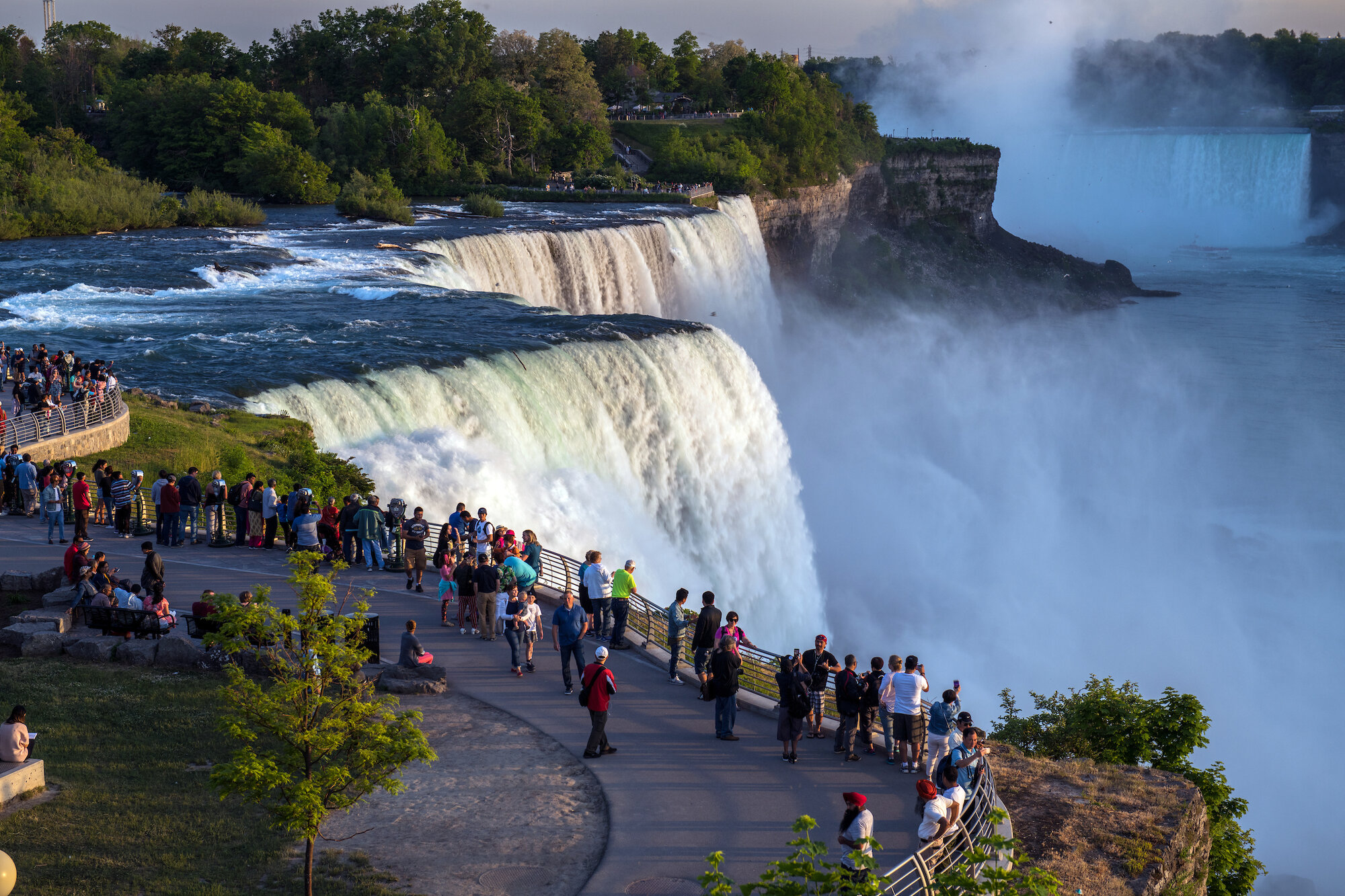
While no one argues about the importance of tourism, tourism alone has not rebuilt the city and never will. Tourism, housing, and technology-driven economic growth is what’s needed together. The construction of a data center could make a huge difference in creating high-paying jobs and additional amounts of tax revenue for the city. A giant economic impact potential beyond tourism and the future of today’s economy.
A data center is basically a giant building filled with computers that help power the internet, artificial intelligence, bank systems, video streaming, businesses, and even video games. Every time someone watches a movie online, use AI, sends photos, shops online, or saves information to the cloud, data centers help make that happen.
These buildings need a lot of electricity to operate. That is why the power matters so much. And Niagara Falls has the spark to make it work, producing electricity and industrial power. That gives the city a real advantage and hopefully will come to fruition.
Canada is already moving quickly toward building more clean power and preparing for future industries like AI and advanced technology. New York State is trying to figure out how to handle growing demand for electricity from data centers and new businesses.
That means Niagara Falls is standing in an important position between the future of America and the future of Canada.
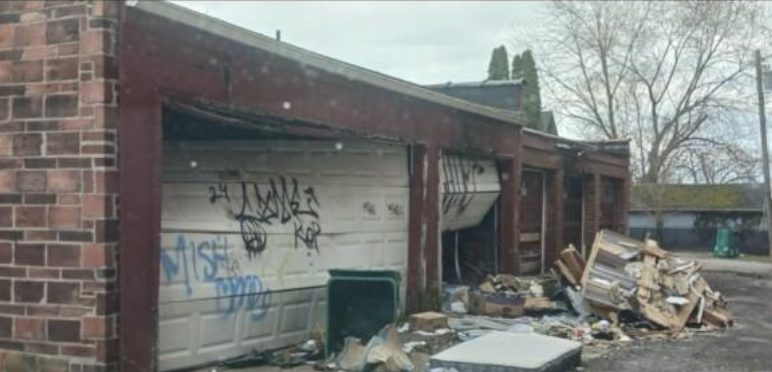
The city has old industrial land, power lines, transmission systems, rail corridors, and a workforce that works hard and industry. Instead of letting these old industrial areas sit empty, Niagara Falls could turn them into places where new businesses can invest billions of dollars. NFR land is primarily industrial—Moore Paper, Penco, and Tesla.
Some people worry when they hear the words “data centers” or “industrial development.” They imagine smoke, pollution, or giant dirty factories frozen in the past. But modern data centers are very different.
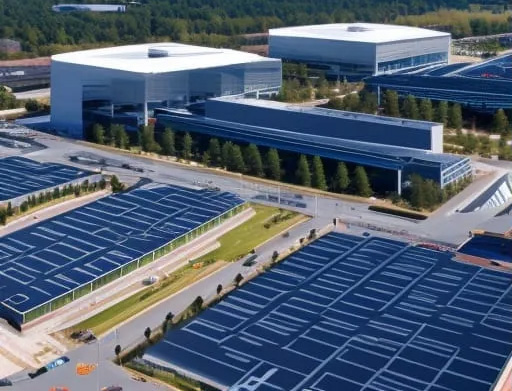
The reality is that many look like large office buildings or warehouses. Many are quiet. Some use clean energy. They create construction jobs, engineering jobs, security jobs, electrical jobs, and maintenance jobs. They also help grow the tax base, which means more money for roads, parks, schools, police, firefighters, and city services.
The city must move cautiously and plan smartly. The city must create rules to protect neighborhoods, traffic, noise levels, landscaping, and the environment. Leaders can make sure companies pay their fair share for electrical upgrades instead of placing the cost on local residents. They can and should require investments in infrastructure and community improvements.
In other words, folks, Niagara Falls does not have to choose between protecting the community and growing the economy. It can do both.
A third path is also emerging. Across North America, communities with access to reliable power, fiber infrastructure, transportation assets, and industrial land are attracting data centers, technology campuses, advanced manufacturing facilities, and digital infrastructure projects.
Niagara Falls was never built to survive on tourism alone; it became strong because it combined tourism with power, industry, jobs, and innovation. That same opportunity that worked before exists again today. Today, modern industries may come for the same reason. The city can honor its history while building something new —a cleaner, smarter, modern industrial economy that creates jobs, grows the tax base, and helps Niagara Falls become strong once again.
The opportunity is here. There are obstacles, but even a short pause will not kill the potential to rebuild the city into a great place again for all.