Only in North Tonawanda: Mesothelioma cancer heritage in NT
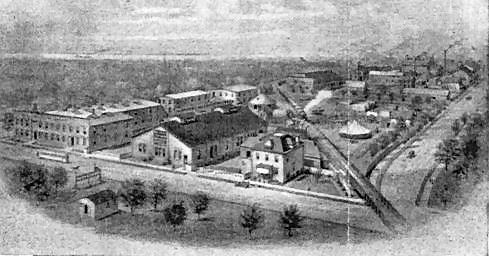
North Tonawanda is nicknamed “The Lumber City” after its most prominent industry of the past. The legacy of the lumber companies is seen in historic mansions built by and owned by some prominent executives of lumber companies.
The most prominent legacy of the lumber days however is the environmental one, especially from arsenic used in the treating process of lumber. Between the mid-19th century and the 1970s, more than 150 companies produced lumber and wood products in NT.
The Herschell-Spillman Company manufactured carousels and amusement park rides until the 1950s after beginning as a producer of engines. An offshoot of that company, North Tonawanda Barrel Organ, acquired by the Rudolph Wurlitzer Manufacturing Company in 1909, became a world-famous manufacturer of organs, jukeboxes and other musical instruments.
Like many cities in the northern “rust belt” area, manufacturing declined in the late 20th century.
NT’s long history of manufacturing and construction put it in a high-risk category for asbestos exposure. Workers exposed to asbestos were at risk for mesothelioma cancer. A number of NT jobsites identified as harboring asbestos containing materials are known to have exposed a variety of tradesmen to asbestos.
Some of the more publicly recognized sites whicht left behind them environmental problems,.including mesothelioma from asbestos exposure, are the former sites of American District Steam Company (455 Bryant , the City Market area and neighboring Robinson ) and Tonawanda Iron & Steel /American Standard site—which actually included all of the waterfront along the Niagara River from Wheatfield Street to the Town of Wheatfield line. This area, originally the site of lumber operations which had caused environmental damage as well, was for 99 years home to Tonawanda Iron. It owned the entire waterfront in that area.
Listed on several websites as a site is AP Green Refractories, a national operation. AP Green Refractories made several types of products that contained asbestos including cements, adhesives, coatings and refractory products. Refractory products must be able to withstand intense heat. Early on in the company history, products were made with a naturally-occurring mineral that proved to be very heat and fire resistant.
These were often used in very high heat applications including boilers, ovens and furnaces. As a result, boilermakers, boiler tenders and steamfitters were likely to be exposed to asbestos from AP Green products. This mineral was asbestos. It wasn’t until years later that it was found to be a poisonous material. American District Steam, Tonawanda Iron, and Buffalo Bolt, among others, were significant users of AP Green products during their years in operation.
A frightening site is Degraff Memorial Hospital, to which people and families have entrusted their healthcare since 1914. DeGraff endangered many longtime employees and patients whose conditions made them susceptible to asbestos exposure.
Donner Steel Company and Roblin Industries are listed as sites which most locals know as the now capped -over Buffalo Bolt plant site NT has been trying to market as a business park for more than a decade.
Durez Plastic & Chemicals (whose drainage passed through the City from Walck Road and Erie to the Niagara River) and its other names, the original General Plastics Company, later Hooker Chemical Corp, and Occidental Chemical is reputedly, as Occidental, still working on a cleanup of the site. Plastics Drive is used as an example in local TV ads by a law firm focusing on mesothelioma cases. A representative of the law firm indicated in the past that, although they didn’t have asbestos in their plant operations, employees of National Grinding Wheel who had to enter and leave the plant from outside were exposed to discharges from smokestacks at Durez. They are potential or active mesothelioma victims, especially if they worked for National Grinding Wheel for many years. That would have posed the same danger to residents of the area.
On Tonawanda Island, in addition to contamination from lumber industries that occupied the island for more than 150 years, the International Paper Company site exposed its workers to asbestos.
The Remington Rand plant, and its predecessor occupants, Armitage Herschell, Herschell Spillman, the IRC trolley barn and early lumber operations, covering a block along the Erie Canal between Sweeney/Tremont/Marion/Oliver Streets and the Rudolph Wurlitzer Manufacturing Company on Niagara Falls Boulevard also exposed workers and nearby neighborhoods to asbestos.
For those concerned about environmental messes left behind by NT’s former industrial past, additional information can be found on the following websites, focusing on mesolthelioma cancer caused by asbestos exposure:
http://www.mesothelioma.com/asbestos-exposure/states/new-york/north-tonawanda/#ixzz3VsiVSkH0
www.mesothelioma.com/asbestos-exposure/states/new-york/north–tonawanda
www.mesothelioma.com/search.asp?q=AP+Green&page=4
http://www.mesothelioma.com/asbestos-exposure/companies/ap-green-industries.htm#ixzz3y5cpAjWd
http://www.mesothelioma.com/asbestos-exposure/states/new-york/north-tonawanda/#ixzz3y5b2bLXx
NT has an excessive number of MS, Parkinson’s and other types of cancer no doubt a legacy of its industrial past.
.