Niagara Falls Is Indeed a Tourism Mecca But Industry Remains Big Part of Story

By Tony Farina
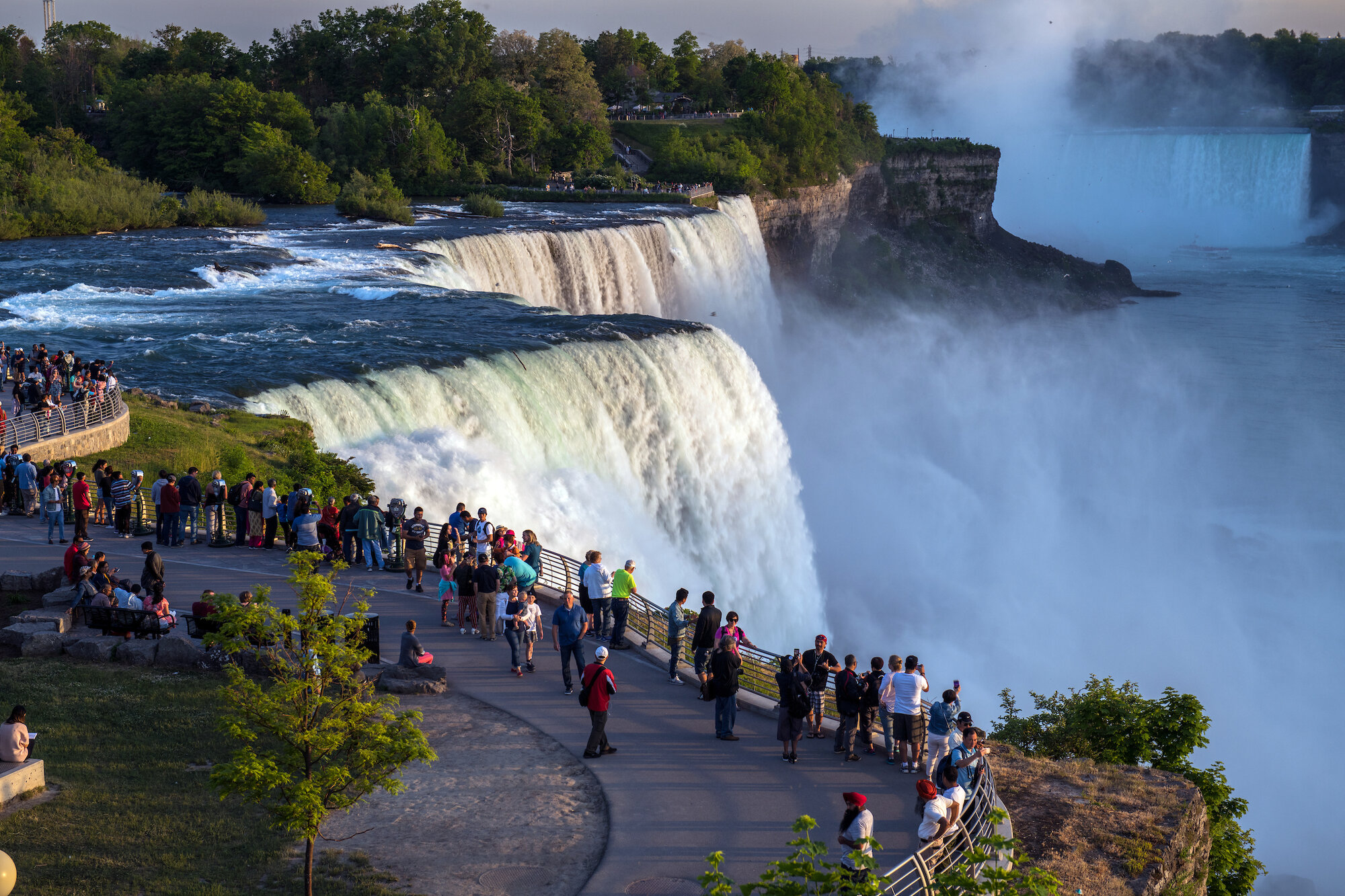
Mighty Niagara Falls is a natural wonder spanning the international border between the United States and Canada. The focus of the world was riveted on the mighty waterfall by aerialist Nik Wallenda, who in June of 2012 became the first person to walk a tightrope directly over Niagara Falls, an incredible feat that was broadcast live on ABC.
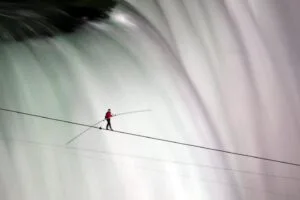
It was a huge boost to what makes Niagara Falls a tourism mecca and a place that attracts approximately 22 to 24 million visitors annually across both the United States and Canadian sides. That incredible tourism attraction gives the city a name known around the world, and along with industry, helped build Niagara Falls. But we need to remember that tourism and industry both still matter because industrial jobs were year-round jobs that helped families raise children, pay taxes, and build a middle class. Tourism creates memories. Industry creates careers.
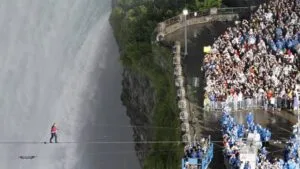
While tourism is indeed the lifeblood of the city, without industrial might, the city cannot survive with any degree of success for families. Industrial growth must indeed be a part of the future because we know with historical certainty that tourism alone cannot carry the day for the Cataract City. Industry creates jobs with living wages, tourism does not. The tourism wage is seasonal and therefore not sustainable.
The tourism district is the part of the city that most visitors see first. It includes Niagara Falls State Park, Goat Island, Prospect Point, Cave of the Winds, Maid of the Mist, the Observation Tower, Old Falls Street, Third Street attractions, hotels, restaurants, and Seneca Niagara Resort and Casino. In addition to welcoming millions every year, it supports hotel workers, restaurant employees, tour guides, shop owners, maintenance crews, event workers, and many other local jobs.
Visitors spend money in local businesses. They tell friends about the city. They bring energy to downtown streets. For students in Niagara Falls, the tourism district is not just a place on a map. It is where many families work, where school trips happen, and where the world comes to our front door.
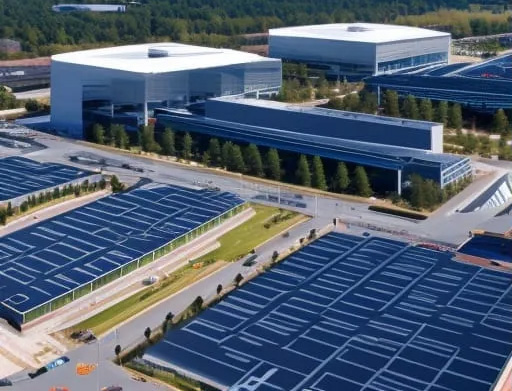
Still, tourism is only one part of the city’s identity. East and south of the tourist core is a different landscape: the industrial corridor. This area grew because Niagara Falls had access to cheap and abundant hydroelectric power. Factories came because electricity, railroads, water access, and transportation routes made the city a good place to build and make things.
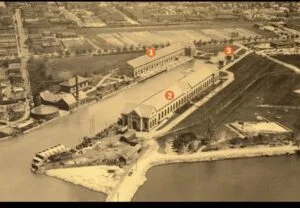
For generations, Buffalo Avenue, Portage Road, and nearby rail corridors were connected to manufacturing, warehousing, utility work, maintenance yards, service stations, chemical production, paper forms, textiles, metal products, and public infrastructure. Names such as Moore Business Forms, Washington Mills, Occidental, PEMCO, power facilities, transportation facilities, and the wastewater treatment plant help explain why Niagara Falls was not only a tourist city. It was also a working city.
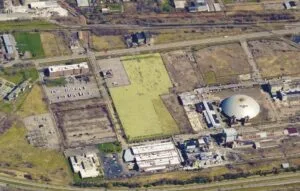
The history matters because industrial jobs were often year-round jobs. They helped parents and grandparents buy homes, raise children, pay taxes, and build a middle class. Many residents remember when factory whistles, rail lines, trucks, and shift work were part of daily life. These sounds were part of Niagara Falls.
A good map helps explain the difference. The tourism area is concentrated near the river, the State Park, Old Falls Street, Rainbow Boulevard, Third Street, and the casino. The industrial land is much larger and stretches through the corridor east of the main tourist district, especially around Buffalo Avenue, Portage Road, rail lines, utility sites, older factory parcels, service properties, and redevelopment areas. Between the two, there are pockets of residential neighbors and small businesses. These homes remind us that people live close to both sides of the city’s economy.
This is why the discussion should not be tourism versus industry. Niagara Falls needs tourism because it brings the world here. It needs industry because it can create stable jobs for people to live here year-round.
As we said at the beginning, tourism creates memories. Industry creates careers. Tourism fills hotels and restaurants. Industry can fill payrolls, buildings, and vacant land with productive use and pay taxes at the highest levels of real estate development.
Today, Niagara Falls faces the same question many older industrial cities face: how can it honor its past while building a stronger future? The answer may be to recognize both strengths. The city should protect and improve the visitor experience near the Falls. At the same time, it should look honestly at the industrial corridor and ask how older land, rail access, utility infrastructure, and redevelopment parcels can bring new investment and modern jobs.
Let’s put it this way even a child can understand. A city can be famous for one thing and still be built by many things. Niagara Falls is famous for water, beauty, and tourism. But it was also built by workers, factories, power railroads, service businesses, and families who stayed here through good times and hard times.
The city’s future should not depend on choosing only one side of the city. It should depend on strengthening both sides. Tourism reminds us why the world knows our name. Industry reminds us why generations chose to build their lives here. Together, they tell the fuller story of Niagara Falls: two strengths, one city, and one future.