New York Comptroller DiNapoli Releases State & Municipal Audits
Please click the link below to subscribe to a FREE PDF version of each print edition of the Niagara Reporter
http://eepurl.com/dnsYM9
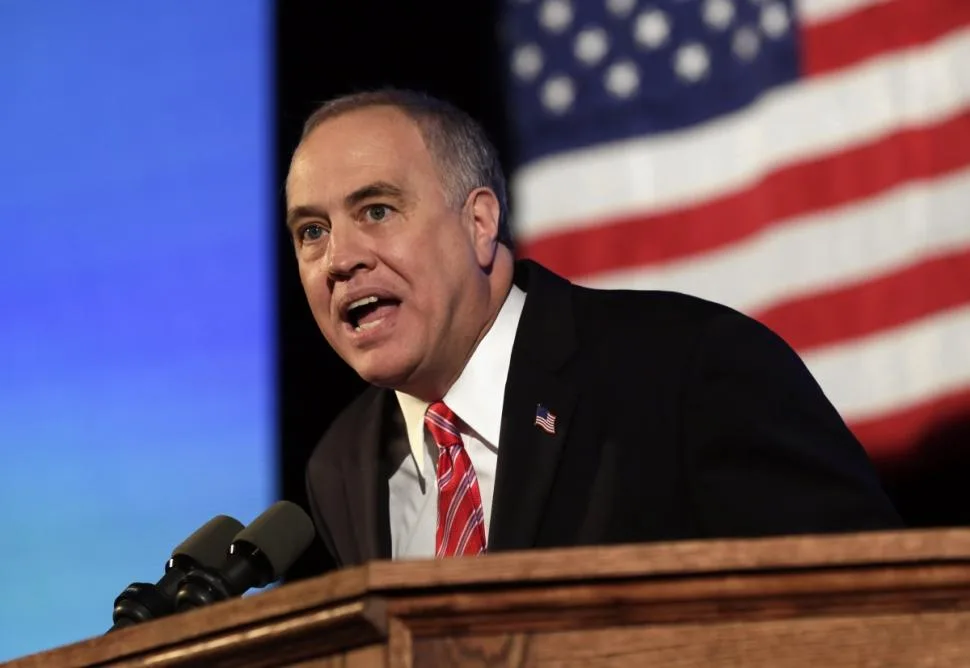
New York State Comptroller Thomas P. DiNapoli announced the following audits and examinations have been issued:
State Audits
Office of Children and Family Services (OCFS): Financial Oversight of the Advantage After School Program (2016-S-39)
OCFS has some appropriate controls to limit program contract spending, including a maximum cost per child of $1,375 and a maximum allowable contract budget, which is calculated by multiplying providers’ maximum average daily attendance (MADA) by the $1,375 maximum per child. OCFS reimbursements to program providers did not exceed the maximum contract budget. However, there is a risk that providers can exceed the maximum cost per child if they serve significantly fewer children than their MADA but do not reduce their expenditures proportionally.
City University of New York (CUNY): Borough of Manhattan Community College (BMCC): Controls Over Bank Accounts (Follow-Up) (2017-F-25)
An initial audit issued in August 2016 identified multiple internal control weaknesses that CUNY and BMCC officials needed to improve related to the use of bank accounts. In a follow-up report, auditors found BMCC officials had made progress in addressing the issues identified in the initial report. The three recommendations were partially implemented.
Department of Environmental Conservation (DEC): Generic PINs (2017-BSE7-01)
Auditors found DEC’s use of fuel cards does not comply with the Office of General Services’ Fuel Card Services Contract Guidelines, the State Vehicle Use Policy and DEC’s Policies and Procedures. DEC does not have sufficient controls in place to ensure all fuel purchases are appropriate. DEC officials have not implemented a previous comptroller’s recommendation to assign unique PINs to individual employees, consistent with the guidelines.
Department of Health (DOH): Nursing Home Surveillance (Follow-Up) (2017-F-12)
An initial audit issued in February 2016, found DOH generally met its obligations to conduct Standard Health and Complaint surveys of nursing homes in accordance with federal and state requirements, but its enforcement policies and procedures needed to be strengthened to better protect the health and well-being of nursing home residents. In a follow-up report, auditors found DOH officials addressed the problems identified in the initial audit, having implemented all four of the prior audit’s recommendations.
Department of Health: Medicaid Program: Managed Care Organizations (MCOs): Payments to Ineligible Providers (2016-S-59)
During the audit period, the DOH launched efforts to improve its ability to detect and prevent payments by MCOs to ineligible providers. Notwithstanding those efforts, however, auditors identified certain weaknesses that, if properly addressed, could help better detect and prevent improper payments to ineligible providers. Auditors determined MCOs improperly paid $50.3 million during the audit period.
State Education Department (SED): Universal Pre-Kindergarten Program (UPK): Monitoring of Health and Safety Requirements (Follow-Up) (2017-F-30)
An initial audit report issued in December 2016 found SED did not directly monitor UPK providers for health and safety. Instead, SED relied on the school district operating the UPK program, or the Office of Children and Family Services, to ensure that UPK providers were complying with health and safety requirements. In addition, auditors found a wide disparity in the way UPK providers were being monitored for health and safety. In a follow-up, auditors found SED officials have made some progress in addressing the issues identified in the initial audit.
Metropolitan Transportation Authority (MTA): New York City Transit: Operational Training and Medical Assessments of Train Crews (2016-S-26)
Auditors found MTA’s New York City Transit unit is not in compliance with the requirements of the Induction Training curriculum established for its train crews. This lack of compliance may be tied to poor outcomes. For instance, all four train operators in the audit sample who had five or more operating incidents during the audit period had a history of failing grades and/or tests and quizzes missing from their training files. Auditors also found: train operators and conductors are not always meeting or completing refresher training requirements; many of their required annual hearing tests were either done late or not at all; train crews not in compliance with medical assessment requirements; and there were inconsistencies with test scoring and file maintenance, including missing test files, ungraded tests, and missing attendance records.
Metropolitan Transportation Authority: Staten Island Railway (SIR): Operational Training and Medical Assessments of Train Crews (2017-S-71)
Auditors found SIR’s records were insufficient to document that training was satisfactorily completed. For a randomly selected sample of conductors who underwent Induction Training during the audit period, 61 percent of test papers were either not graded or missing. In addition, for the randomly selected sample of engineers, 81.7 percent of test papers for those newly hired and 41.7 percent of test papers for those promoted were either not graded or missing. Five of the ten conductors randomly sampled were required to take Book of Rules Refresher Training during the audit period. However, only two of the five had records that supported satisfactory completion of all exams. Auditors found similar results for the Signals Refresher Training, with only two of eight conductors having records to support satisfactory completion. Train crews were also not in compliance with medical assessment requirements.
***
New York State Comptroller Thomas P. DiNapoli announced his office completed audits of the East Meadow Public Library, Town of Erwin, Town of New Hartford and the Town of Oswego.
“In today’s fiscal climate, budget transparency and accountability for our local communities is a top priority,” said DiNapoli. “By auditing municipal finances and operations, my office continues to provide taxpayers the assurance that their money is being spent appropriately and effectively.”
East Meadow Public Library – Claims Auditing (Nassau County)
The board does not audit individual claims to ensure they represent legitimate library expenditures and that library officials have complied with board-adopted policies when procuring goods and services. Without a thorough and deliberate examination of each individual claim, the board does not have enough information to determine whether or not the claims it approves are appropriate and legitimate.
Town of Erwin – Justice Court (Steuben County)
Neither the justices nor the court clerks prepared monthly bank reconciliations or accountabilities. Instead, the court clerk kept an annual check register in a computerized spreadsheet that detailed deposits and checks. The register inaccurately noted when checks cleared. The court also did not use the Traffic Safety Law Enforcement and Disposition database to identify reporting errors and individuals eligible for referral to the Scofflaw Program.
Town of New Hartford – Procurement (Oneida County)
Town officials appropriately sought competition for nearly $1.4 million in purchases that were over the competitive bidding thresholds. They did not seek competition, however, for three professional service contracts totaling $332,262. Finally, town officials did not comply with the procurement policy requirements for 10 purchases totaling $82,928.
Town of Oswego – Financial Condition and Information Technology (Oswego County)
The board has not developed realistic budgets and has not adequately monitored adopted budgets. As a result, from 2014 through 2016, fund balance in the general fund declined from about $478,000 to $51,000 (89 percent) and declined in the Sleepy Hollow sewer district fund from $31,503 to $3,521 (89 percent).
Please click the link below to subscribe to a FREE PDF version of each print edition of the Niagara Reporter
http://eepurl.com/dnsYM9