GUEST VIEW: Niagara Digital Campus would generate millions in sales tax revenue. Here’s how.

By Dennis Elsenbeck
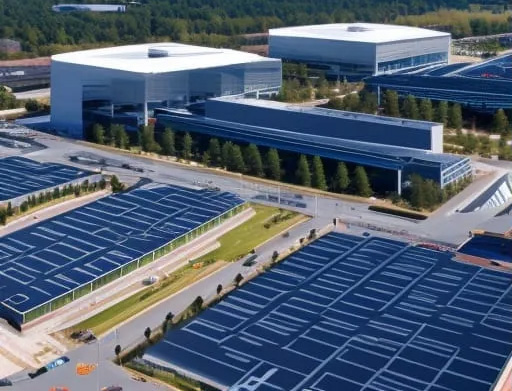
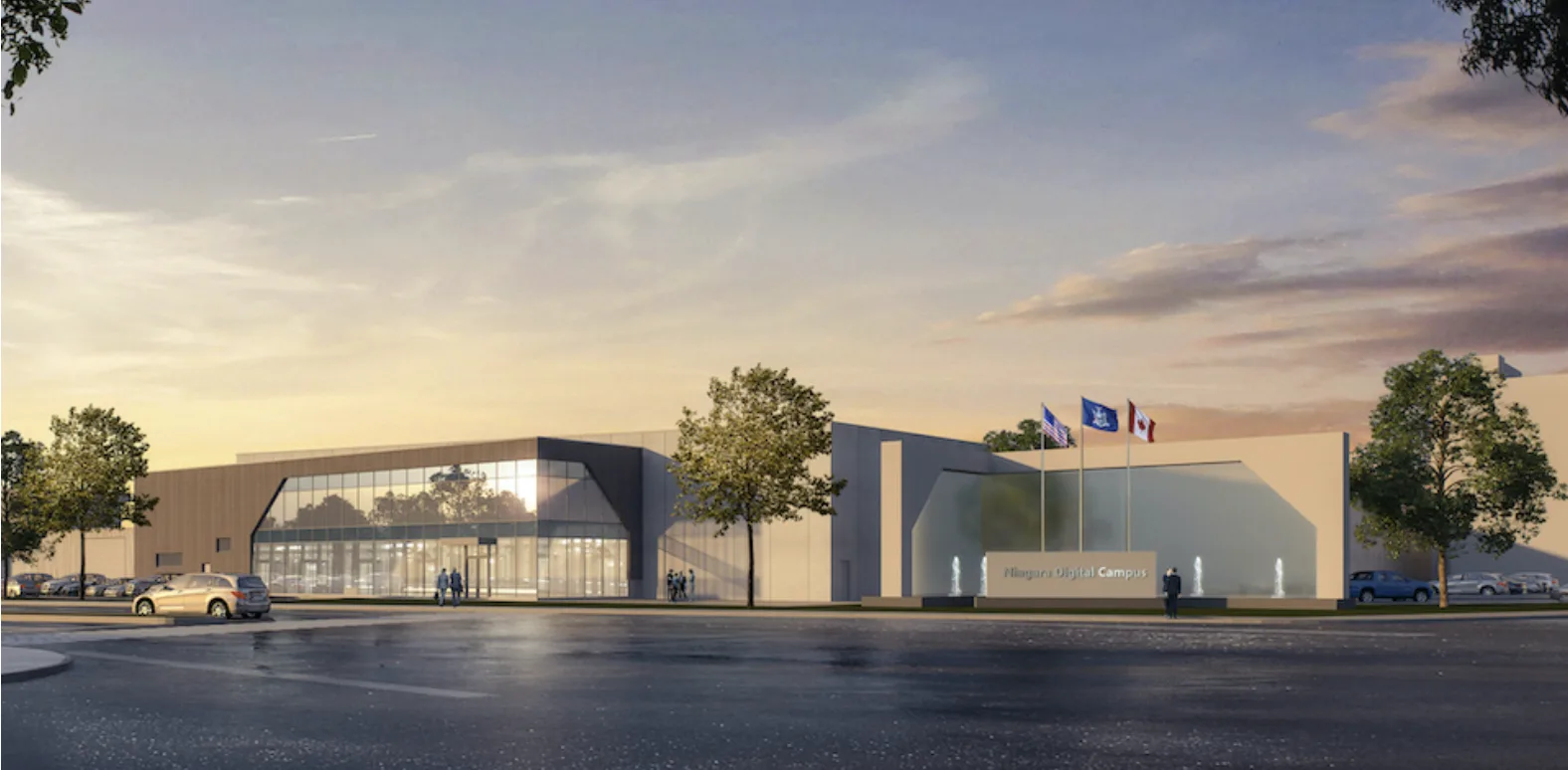
If you’ve followed the debate over the proposed $1.5 billion Niagara Digital Campus, you know that the project is estimated to generate more than 5,000 union jobs during construction, and approximately 500 jobs when fully operational, with expected annual wages to exceed $29 million. You also may know that the overall economic spinoff benefits to the community are estimated to exceed $850 million during construction, and $250 million annually, with more than 1,700 permanent jobs created in support and ancillary businesses. Perhaps you’ve followed national news coverage of the incredible need for data centers due to the artificial intelligence (AI) revolution — particularly data centers in cooler climates with access to water and power.
But here is what you may not know: In addition to property taxes and all the economic benefits that will come when the project is completed, you can add sales tax revenue from the sale of electricity to Niagara Digital Campus. This will amount to millions more each year in revenues to the City of Niagara Falls, and millions more to New York State and other local government bodies.
As a consultant to the project (after a long career at National Grid, among other places), I’ve run the numbers. Here’s what I’ve found: A fully built-out Digital Campus will have an electric capacity of 140 megawatts, running 24 hours a day, seven days a week. In New York State, energy bills are taxed at the state, county and city levels. Based on the data center’s expected power usage, the Niagara Digital Campus will pay energy bills of approximately $5 to $7 million each month – or $60 million to $84 million every year.
At that level of use, the total calculated sales tax to the New York State, Niagara County, and City of Niagara Falls can be estimated at $400,000 to $600,000 monthly — or $4.8 million to more than $7 million annually. Of that total, the city will receive approximately $250,000 to $400,000 per month, or from $3 million to nearly $5 million annually. This assumes a 4% pre-emptive tax, plus a 1% Gross Receipts (GRT) under the current Utility Tariff and Tax Law (all these numbers are as of 2024, with no known subsidies).
So you can assume at least $3 million in annual sales tax revenues to the City of Niagara Falls, before a single dollar in increased property taxes hits city coffers, and before a single employee is paid or a single additional product or service is bought from local business.
Beyond the $3 million in annual sales tax that would be required to be paid to the City of Niagara Falls once the Niagara Digital Campus is operational, there are other tax revenues that could come to the city as well. For example, there are additional utility regulatory recovery and subsidies to New York State, as well as subsidies under state agency climate change programs and incentives. There are also contributions to electric transmission and distribution infrastructure investment and maintenance. These additional charges would bring more revenues from electricity use to New York State — revenues that arguably should remain in the City of Niagara Falls to facilitate the development of its own Climate Change Master Plan — an effort to move businesses to electric use, integrate EV charging in all city-owned parking facilities, and to develop an affordable home strategy for low-to-moderate-income residents. In total, under current estimates, that could arguably bring more than $9 million more under city control annually.
Going further, the city could make the same argument regarding the Niagara Digital Campus’ contribution to National Grid’s transmission and distribution infrastructure investment (which would be more than $7 million annually). I admit that these concepts are non-traditional and require regulatory approvals, but we exist in a time of non-traditional economic constraint, and the City of Niagara Falls should think out of the box in this regard to the regulators, to align the economic benefit of the Niagara Digital Campus to New York State’s overall climate objectives. Put simply, the City of Niagara Falls can be a leader — as a classified “Disadvantaged Community (DAC)” — in defining how strategic development can balance economic and environmental sustainability
It should be noted the energy used by the Niagara Digital Campus when this project is fully built will not overburden Western New York’s existing energy capacity. Given the existence of key electric infrastructure onsite and the fact that the Niagara Digital Campus plans to construct a new substation for the project (at its own expense), there is more than enough existing capacity to support the Niagara Digital Campus. Indeed – as I have written in the past — this increased energy use should actually assist in reducing energy rates for all ratepayers in the local community due to its overall contribution to fixed costs of transmission and climate programs.
Again, these new sales tax revenues are in addition to all of the other economic benefits that will accrue to the City of Niagara Falls when the Niagara Digital Campus is fully built out. Done right — and working together — the Niagara Digital Campus data center initiative will bring an unprecedented level of economic opportunity to a city where it’s desperately needed. Not just jobs for local residents, but careers; and not just a one-time boost to the City of Niagara Falls revenue base, but a new, steady, recurring revenue stream that can be leveraged by city leaders to advance Niagara Falls for generations.
We shouldn’t miss that opportunity.
(This article was originally published in the Niagara Gazette.)