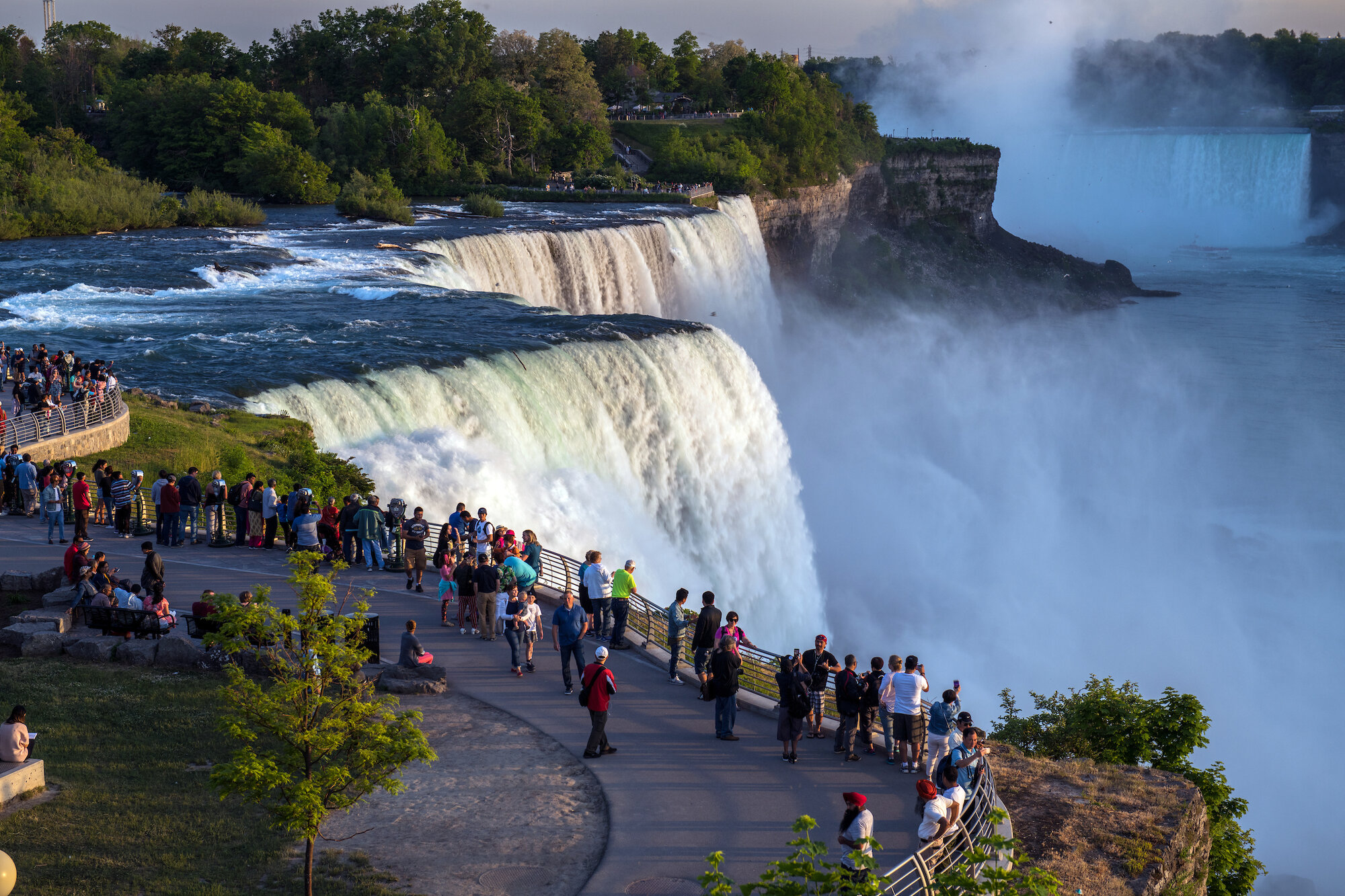
Niagara Falls
THE
NIAGARA FALLS REPORTER
LOCAL NEWS  •  LOCAL VOICES  •  LOCAL MATTERS

Guest Commentary on the New York State Constitutional Convention Call

M
Mike Hudson  ·  November 2, 2017
Guest Commentary on the New York State Constitutional Convention Call
SharefXin

Chances are good that the folks reading this have already heard that on the back of the November 7 ballot they will be asked whether to call a citizens’ convention to re-work our state’s foundational governing document. The other half of the electorate, regrettably, still knows nothing about this crucial decision.


At this late date, proponents still find themselves needing to dispel lingering misconceptions proffered by groups and interests dreading a change in their status quo. In response to some very legitimate concerns, and contrary to a bit of fearmongering:


  • A state constitutional convention must set its own rules of procedure and hire necessary staff simply so that it can fulfill its obligations; It will probably meet for only five months in 2019, so as to provide the required time period for citizens to study its November ballot proposals.


  • In the history of New York constitutions, each succeeding convention actually proposed greater protections than the preceding one, and in no case can a state constitution provide fewer rights than those guaranteed in the U.S. Constitution.


  • Omnibus proposals are unlikely; we saw what happened when the fine work of the 1967 convention was rejected by the voters because “poison pills” were mixed with good proposals and offered in one “take-it-or-leave-it package.


  • A constitutional convention is not a waste of money: Detailed analyses show that in 2017 dollars, the 1967 convention would have cost as low as $47 million, not the “hundreds of millions” price tag bandied about. How much is too much to put aside, out of an approximately $150 Billion annual state budget, to give the people a shot at reforming Albany every twenty years?


  • Few legislators will attempt to run for delegate in the same year as their own elections. Judging by the recent controversy over the questionable transferring of leadership stipends, would lawmakers want to again face a dogged press and angry public for doubling their incomes? Even in 1967, out of 186 delegates, a mere 24 were sitting state legislators.


Opponents of a Con Con, many of whom acknowledge that state government is corrupt, argue that the Legislature should drive the process and set the reform agenda before submitting items to the people. How has that been working for us? They contend that gerrymandered, well-financed senators and assembly members, with their unlimited terms of office, are more accountable, while convention delegates, who cannot run for re-election, will be “unanswerable” to the public who put them in their seats.


On the contrary, it is precisely because they will go home after six months that delegates will be insulated from the very special interests, party excesses, campaign money, and toxic political environment that have created the need for a Constitutional Convention in the first place!


###


Richard L. Taczkowski, M.U.P., is a former town and village officeholder and state Assembly staffer who served as a delegate to the “Critical Choices” Convention held by the New York State Commission on the Bicentennial of the United States Constitution.
SharefXin

Comments (0)

Leave a comment

More From Niagara Falls Reporter

Craig Bucki Stands Out in Race for Supreme Court, Has All the Tools to Be Strong Judge
Featured

Craig Bucki Stands Out in Race for Supreme Court, Has All the Tools to Be Strong Judge

By tony Farina · September 16, 2026

By Tony Farina I’ve covered many court proceedings and trials in my more than 35 years as a newspaper and television reporter and I want to make the point at the beginning of this story that whether elected or appointed, some judges are fair and honest and many others fall short of the mark. In other words, the word jurist does not convey skill and knowledge of the law; it is just a role that some serve with distinction, and others do not. By definition, a jurist is a person who has expert or thorough knowledge of the law but

Is Niagara Falls Crisis Self-Inflicted? Lots of Questions, Few Answers
Featured

Is Niagara Falls Crisis Self-Inflicted? Lots of Questions, Few Answers

By tony Farina · September 15, 2026

By Tony Farina There are certainly many questions swirling around the mayor’s declaration of a state of emergency in Niagara Falls over trash, blight, and deteriorating streets that was declared back on July 20 and has been extended several times since because, according to Mayor Robert Restaino, the City Council refused to approve contractor agreements. But some observers point to depleted staff at City Hall, like in Public Works and Code Enforcement and other departments, as really self-inflicted wounds that are the underlying reasons work is not getting done in the city. Or is there even more to the story,

NIAGARA FALLS BUILT THE MODERN WORLD ON ITS POWER. IT CAN DO IT AGAIN.
Featured

NIAGARA FALLS BUILT THE MODERN WORLD ON ITS POWER. IT CAN DO IT AGAIN.

By Niagara Reporter- · September 11, 2026

The  Data Center That Answers Hochul’s Objections There was a time when Niagara Falls did not ask Albany whether it was permitted to prosper. The river was here. That was enough. The town had something Albany couldn’t give it. It used what was here. Water. Power. Work. Jobs. Industry. A future. In 1895, the Adams plant took the river and put it into wire. The current went to Buffalo. It changed the industrial world. Tesla supplied the designs. Westinghouse built the machines. Niagara supplied the falling water. Then industries came. Electrochemical. Electrometallurgical. They came because Niagara offered abundant, inexpensive electricity.

Niagara Falls Has Millions of Tourists But Needs to Find a Way to Capture That Wealth
Featured

Niagara Falls Has Millions of Tourists But Needs to Find a Way to Capture That Wealth

By tony Farina · September 8, 2026

By Tony Farina The City of Niagara Falls, N.Y., boasts one of the world’s greatest natural wonders that people from around the world come to see, but despite incredible tourism numbers of more than nine million visitors a year, the city of now less than 50,000 people is still pretty darn poor. Niagara Falls does not have a tourism problem; it has a tourism-capture problem, and the distinction should be a starting point for a serious new discussion about the city’s future. And ladies and gentlemen, that discussion needs to start now. The question is no longer whether Niagara Falls