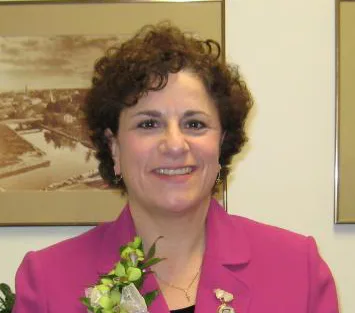
The Niagara Falls Housing Authority gained a new member at Tuesday night’s meeting adding former Niagara Falls City Councilwoman Kristen Grandinetti, who was appointed to the position by Niagara Falls Mayor Paul Dyster to its Board of Commissioners. Ms. Grandinetti is the seventh member of the Board, joined by Alicia Laible-Kenyon, Vivian Watkins, Owen Steed, Frank Soda, Lawrence Cook, and Kevin Dobbs.
The appointment to the Housing Authority by Mayor Dyster comes exactly one week after Ms. Grandinetti ended an eight-year term on the City Council. Given the Mayor’s statements shooting down assertions that there is any bias toward friends and family in City Hall, the Reporter reached out to the former councilwoman for comment on her new position, and received no response.
By Tony Farina I’ve covered many court proceedings and trials in my more than 35 years as a newspaper and television reporter and I want to make the point at the beginning of this story that whether elected or appointed, some judges are fair and honest and many others fall short of the mark. In other words, the word jurist does not convey skill and knowledge of the law; it is just a role that some serve with distinction, and others do not. By definition, a jurist is a person who has expert or thorough knowledge of the law but
By Tony Farina There are certainly many questions swirling around the mayor’s declaration of a state of emergency in Niagara Falls over trash, blight, and deteriorating streets that was declared back on July 20 and has been extended several times since because, according to Mayor Robert Restaino, the City Council refused to approve contractor agreements. But some observers point to depleted staff at City Hall, like in Public Works and Code Enforcement and other departments, as really self-inflicted wounds that are the underlying reasons work is not getting done in the city. Or is there even more to the story,
The Data Center That Answers Hochul’s Objections There was a time when Niagara Falls did not ask Albany whether it was permitted to prosper. The river was here. That was enough. The town had something Albany couldn’t give it. It used what was here. Water. Power. Work. Jobs. Industry. A future. In 1895, the Adams plant took the river and put it into wire. The current went to Buffalo. It changed the industrial world. Tesla supplied the designs. Westinghouse built the machines. Niagara supplied the falling water. Then industries came. Electrochemical. Electrometallurgical. They came because Niagara offered abundant, inexpensive electricity.
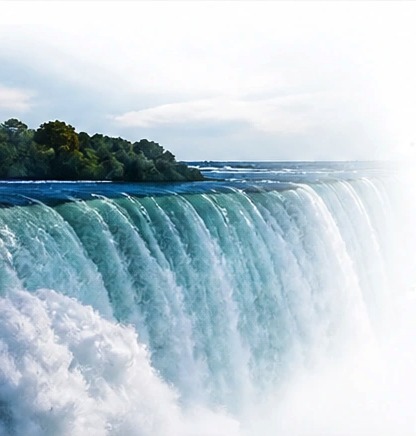
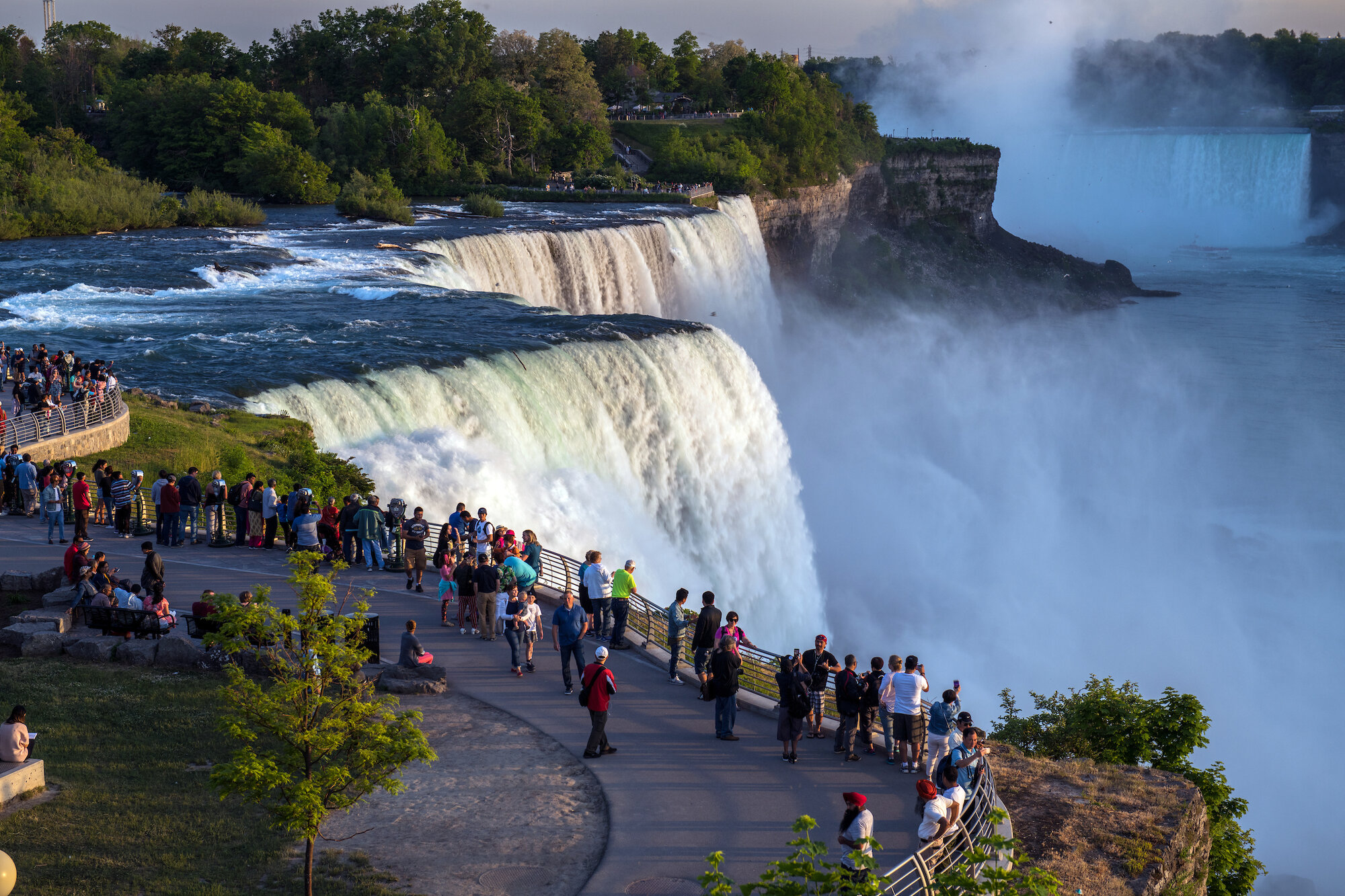
By Tony Farina The City of Niagara Falls, N.Y., boasts one of the world’s greatest natural wonders that people from around the world come to see, but despite incredible tourism numbers of more than nine million visitors a year, the city of now less than 50,000 people is still pretty darn poor. Niagara Falls does not have a tourism problem; it has a tourism-capture problem, and the distinction should be a starting point for a serious new discussion about the city’s future. And ladies and gentlemen, that discussion needs to start now. The question is no longer whether Niagara Falls