Sometimes, even in Niagara Falls, the good guys can win one.
Take the case of Michael DiCienzo, the prosperous owner of numerous hotels in Niagara Falls, Ontario, and Niagara Falls, New York, whose development plans here have repeatedly been thwarted by both Mayor Paul Dyster’s City Hall and Governor Andrew Cuomo, who sits in a plush chair behind a mahogany desk up Albany way.
Mr. DiCienzo made proposals for a downtown hotel that was ultimately awarded to Mark Hamister, a major league Democratic contributor. He said he could build the hotel for half of what Mr. Hamister was charging, using far less in taxpayer subsidies.
Gov. Cuomo and Mayor Dyster clung to Mr. Hamister. Mr. DiCienzo, you see, doesn’t give money to two bit politicians.
Mr. DiCienzo then made a bid on what’s come to be known as the “WonderFalls” project. And again he was rebuffed. Delaware North ultimately got the contract, the company of course being another major campaign contributor.
But Mr. DiCienzo persevered. He had an idea to build an indoor water park on this side of the river. Gov. Cuomo and Mayor Dyster ignored him. Until now.
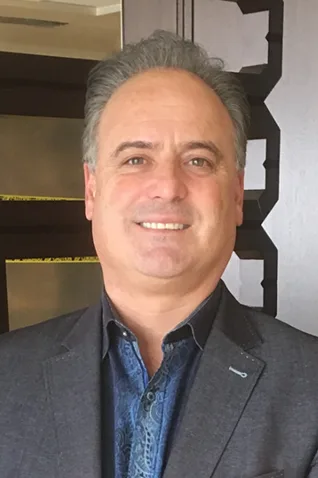
Michael DiCienzo
Last week, Mr. DiCienzo’s proposed $20 million indoor water park in downtown Niagara Falls got a big boost from the Niagara County Industrial Development Agency, which granted a $6.6 million tax break package to the project.
Mr. DiCienzo first announced the project in May with a larger scope, that would have also included 200 new suites atop the company’s Sheraton at the Falls hotel on Third Street. At the same time, Mr. DiCienzo decried a lack of state funding for the potential $70 million project.”We really want this to happen, but we’re looking for some assistance like other developers are getting,” he said at the time. “Generally they provide assistance in the neighborhood of ten to 20 percent of the project. That’s been pretty much typically what they have done in the past with other developers.”
But state officials have shown no interest.
“The state is saying it can’t provide assistance because our project would be competing with a state-assisted property nearby,” he said, referring to WonderFalls.
This week, Anthony Vilardo, head of the city’s NFC Development – often referred to as the city’s “banking arm” – announced a $300,000 grant to Mr. DiCienzo’s company, American Niagara Hospitality, to compete the project.
It is a pittance considering the scope of Mr. DiCienzo’s project. But perhaps it signals something more important.
Could it be that someone at City Hall has finally seen the transparency of the graft and corruption that’s been going on there for the length of Mayor Dyster’s term? Could it be that the person who sees that sits in a big office on the first floor with a giant fake salmon mounted on the wall that he claims he caught in the Lower Niagara but really he bought on Ebay?
By Tony Farina I’ve covered many court proceedings and trials in my more than 35 years as a newspaper and television reporter and I want to make the point at the beginning of this story that whether elected or appointed, some judges are fair and honest and many others fall short of the mark. In other words, the word jurist does not convey skill and knowledge of the law; it is just a role that some serve with distinction, and others do not. By definition, a jurist is a person who has expert or thorough knowledge of the law but
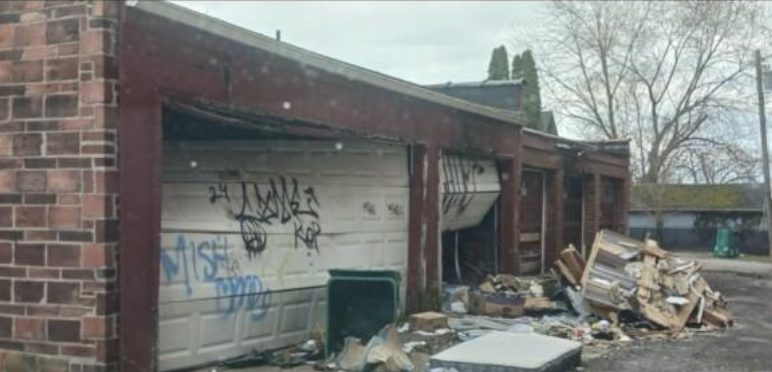
By Tony Farina There are certainly many questions swirling around the mayor’s declaration of a state of emergency in Niagara Falls over trash, blight, and deteriorating streets that was declared back on July 20 and has been extended several times since because, according to Mayor Robert Restaino, the City Council refused to approve contractor agreements. But some observers point to depleted staff at City Hall, like in Public Works and Code Enforcement and other departments, as really self-inflicted wounds that are the underlying reasons work is not getting done in the city. Or is there even more to the story,
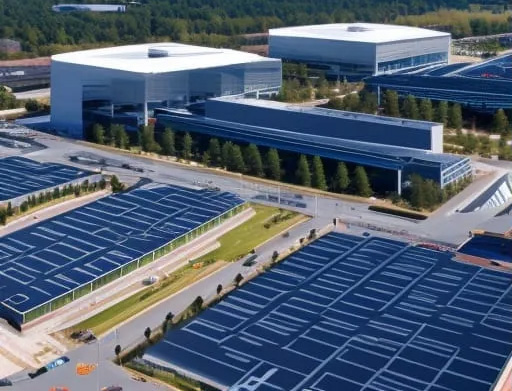
The Data Center That Answers Hochul’s Objections There was a time when Niagara Falls did not ask Albany whether it was permitted to prosper. The river was here. That was enough. The town had something Albany couldn’t give it. It used what was here. Water. Power. Work. Jobs. Industry. A future. In 1895, the Adams plant took the river and put it into wire. The current went to Buffalo. It changed the industrial world. Tesla supplied the designs. Westinghouse built the machines. Niagara supplied the falling water. Then industries came. Electrochemical. Electrometallurgical. They came because Niagara offered abundant, inexpensive electricity.
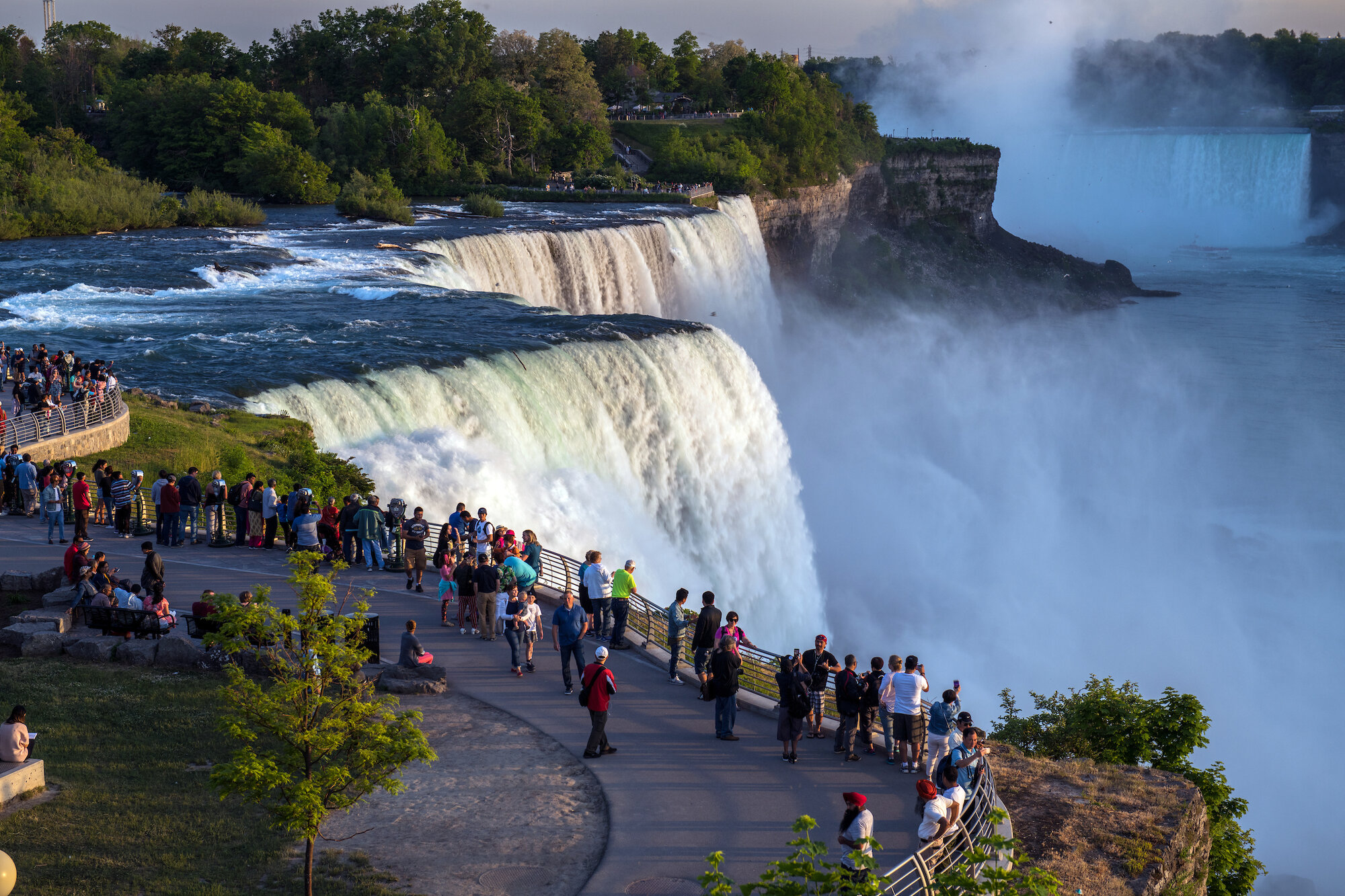
By Tony Farina The City of Niagara Falls, N.Y., boasts one of the world’s greatest natural wonders that people from around the world come to see, but despite incredible tourism numbers of more than nine million visitors a year, the city of now less than 50,000 people is still pretty darn poor. Niagara Falls does not have a tourism problem; it has a tourism-capture problem, and the distinction should be a starting point for a serious new discussion about the city’s future. And ladies and gentlemen, that discussion needs to start now. The question is no longer whether Niagara Falls