Data Center Would Position Niagara Falls For Incredible Economic Benefits

By Tony Farina
The City of Niagara Falls has the most important opportunity at hand that it has had in a very long time and must–like 100 years ago– use its abundant hydroelectric power to make the city an industrial leader again.
The construction of a data center as planned by Niagara Falls Redevelopment will help the city make it back in so many ways and attract investment in the digital economy for years to come. The tools are all there and the path is now clear to move forward now that the city and NFR have settled their long-standing legal battle over land. The opportunity is indeed at hand.
Let’s face it. The digital economy is here to stay and Niagara Falls, with the same natural resources that it used 100 year —reliable power, industrial infrastructure, a skilled workforce, and a history of innovation—can capitalize on the opportunity and build a powerful economy to benefit all.
Niagara Falls has the opportunity to create jobs, broaden its tax base, encourage additional private investment, and help position the economy for long-term prosperity.
Now that the City of Niagara Falls and Niagara Falls Redevelopment have settled their legal battle over land, progress can move forward on the city’s $200-million Centennial Park project and NFR’s $1.5 billion Niagara Digital Campus data center will open the door to a much better economic future. As we stated in the beginning, what the data center will deliver is absolutely incredible to help attract investment in the digital economy for many years to come.
While the New York State legislature has voted to impose a one-year moratorium on construction of data centers, the measure is now in the hands of Gov. Kathy Hochul who is under strong pressure not to sign the legislation. The tech industry, business groups, and construction unions argue the moratorium would cripple New York’s economy and that would certainly be the case for Niagara Falls. It would be a bitter setback to moving the city forward with a new data center ready to be built at last.
Many political observers see Hochul, who is up for re-election this year, as not signing the measure while facing such fierce opposition on so many labor, business, and tech fronts. And it certainly would not be popular with so many hoping the planned data center in Niagara Falls would be the next major step forward for the city.
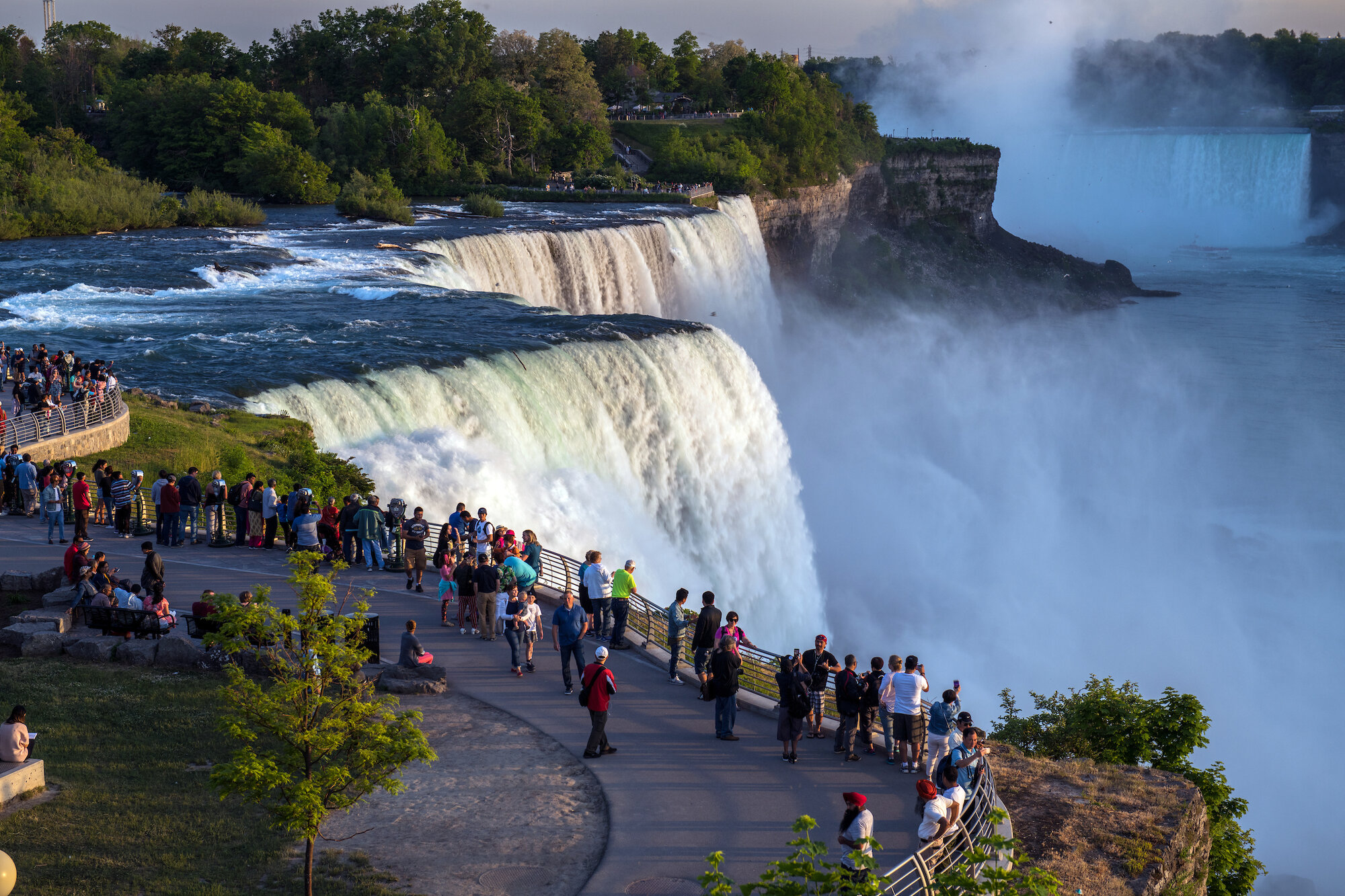
Misinformation and fear mongering aside, a data center would help Niagara Falls compete in the 21 st century, armed with natural resources like the power of the Niagara River which helped build America’s industrial economy by attracting manufacturing that created thousands of jobs and generations of prosperity. Those same natural advantages are creating a new opportunity. Instead of powering factories, Niagara Falls has the potential to help power the digital economy.
Data centers are becoming one of the defining industries of the 21st century, and communities with reliable electric power, strong infrastructure, and available industrial land are well positioned to compete for these investments. Niagara Falls is very fortunate to possess those advantages.
Every e-mail, online purchase, streamed movie, artificial intelligence application, bank transaction, and cloud-based service depends on data centers. They have become essential infrastructure for modern life, much like railroads, highways, hydroelectric plants, and manufacturing facilities were for earlier generations.
A modern data center campus represents one of the largest private investments a community can attract. Projects often involve hundreds of millions—and sometimes billions—of dollars in private capital. That investment benefits local engineers, architects, surveyors, environmental consultants, attorneys, electricians, plumbers, laborers, operating engineers, ironworkers, truck drivers, land scrapers, suppliers, security firms, restaurants, hotels, and many other local businesses.
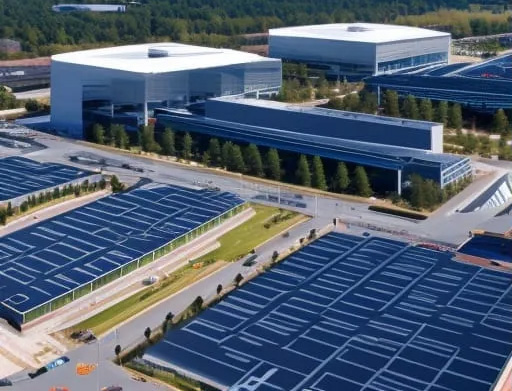
NFR’s proposed Niagara Digital Campus clearly illustrates this incredible and hugely beneficial opportunity. Unlike many construction projects that are completed in 18 to 24 months, this campus proposes more than one million square feet of development to be built in phases. As a result, construction could extend over an estimated eight to 10 years, creating a steady pipeline of work for skilled trades, contractors, suppliers, and local businesses. Rather than a short burst of activity, the project has the potential for nearly a decade of economic momentum. Now that’s the incredible opportunity we’re talking about.
When construction is complete, the benefits don’t stop; they continue. The project is expected to support approximately 550 permanent jobs. Because a modern data center operates 24 hours a day, seven days a week, these jobs are spread across multiple shifts to keep the facility operating safely and reliably around the clock. Employees include engineers, electricians, computer technicians, network specialists, maintenance professionals, facility managers, operations staff, and security personnel. These are skilled careers that offer competitive wages and long-term opportunities.
And of course these employees become a major part of the community. Their home-buying and living activities generate additional economic activity that benefits families and businesses throughout Niagara Falls. Data centers also strengthen the local tax base. Property tax revenue so generated can help support schools, police and fire departments, parks, roads, and other public services. At the same time, these facilities generally place relatively modest demands on municipal services compared with many other forms of development, allowing communities to expand their tax base while helping fund essential services.
We should add that many data center campuses are built on former industrial or brownfield properties. Redeveloping these sites, as in Niagara Falls, can return underused land to productive use while preserving the community’s industrial heritage and preparing it for the future.
Like every major development, data centers should be carefully planned and responsibly regulated. Communities should evaluate issues such as traffic noise, environmental protection, water use, and building design. Modern facilities increasingly incorporate quieter equipment, improved cooling technologies, and other measures intended to reduce impacts while complying with environmental requirements.
No major project is without impact. The important question is whether those impacts are responsibly managed and whether the long-term public benefits justify the investment. In many communities across the country, local leaders have concluded that, when thoughtfully planned and properly regulated, the long-term economic benefits outweigh the manageable impacts.
For Niagara Falls, this opportunity is especially meaningful. More than 100 years ago, abundant hydroelectric power helped make the city an industrial leader. Today, those same natural resources can help attract investment in the digital economy, as we have previously stated. Reliable power, industrial infrastructure, a skilled workforce, and a history of innovation remain valuable competitive advantages.
The digital economy is here to stay and Niagara Falls has the opportunity to create jobs, broaden its tax base, encourage additional private investment, and help position the economy for long-term prosperity. Of course, this is more than constructing buildings. It is about investing in people, supporting local businesses, creating opportunities for future generations, and ensuring that Niagara Falls continues to compete successfully in the 21st century.
As those opposed to a data center moratorium have said, a pause would have a crippling economic impact, and that’s certainly the case for Niagara Falls, which is poised to host a new data center and all the benefits and opportunities it would bring.
We hope Gov. Hochul understands the benefits at hand for Cataract City and continues to pause before signing that crippling legislation on her desk.
Editor’s Note: Even as this story was completed, Gov. Kathy Hochul signed an executive order placing a one-year pause on new AI data centers across the state, apparently outside the scope of the moratorium passed by state lawmakers, which would have placed the same hold on data center construction for one year. While Niagara Falls is blessed with abundant hydroelectric power as noted in the story, Hochul said it was a concern over the massive energy and water demands required to operate AI data centers that need to be addressed, even though Niagara Falls has such resources in abundance. The governor, over fierce opposition from tech, business, and construction unions, nonetheless signed her executive order. Where this will ultimately end up is anybody’s guess. For now, there is a pause.