Four new studies reveal that the $8 billion spent annually by the Cuomo administration on economic development – particularly upstate – has done relatively little to develop much in the way of attracting new industry, creating jobs or spurring economic growth.
The studies, conducted by Pew Charitable Trusts, the W.E. Upjohn Institute for Employment Research, ProPublica and, most recently, Gannett’s USA Today Network, are all in agreement. The governor’s programs provide New Yorkers with very little for their money.
The reports spotlight the regular failure of the corporations that benefit from the various tax breaks and subsidies to create the number of jobs promised, and the nontransparent reporting of exactly how the money gets spent.
Both of these conditions are much on display in Niagara Falls, as officials scrambled to throw money, tax incentives and real estate at Buffalo nursing home magnate Mark Hamister for the development of a nondescript hotel downtown.
As Mr. Hamister reduced the quality and size of the project and significantly reduced the number of jobs he said would be created, the cost of the project went up and up. Before construction began, Mr. Hamister said the hotel would cost around $36 million even as successful hotelier Michael DiCienzo told City Hall he could build the exact same facility for no more than $18 million.
While New York spends more on economic development than the next three highest spending states combined, the spending has utterly failed to revive the upstate economy. Unemployment is down, but that’s mainly due to the fact that 3.5 percent of the region’s workforce has fled the state, all four studies agreed.
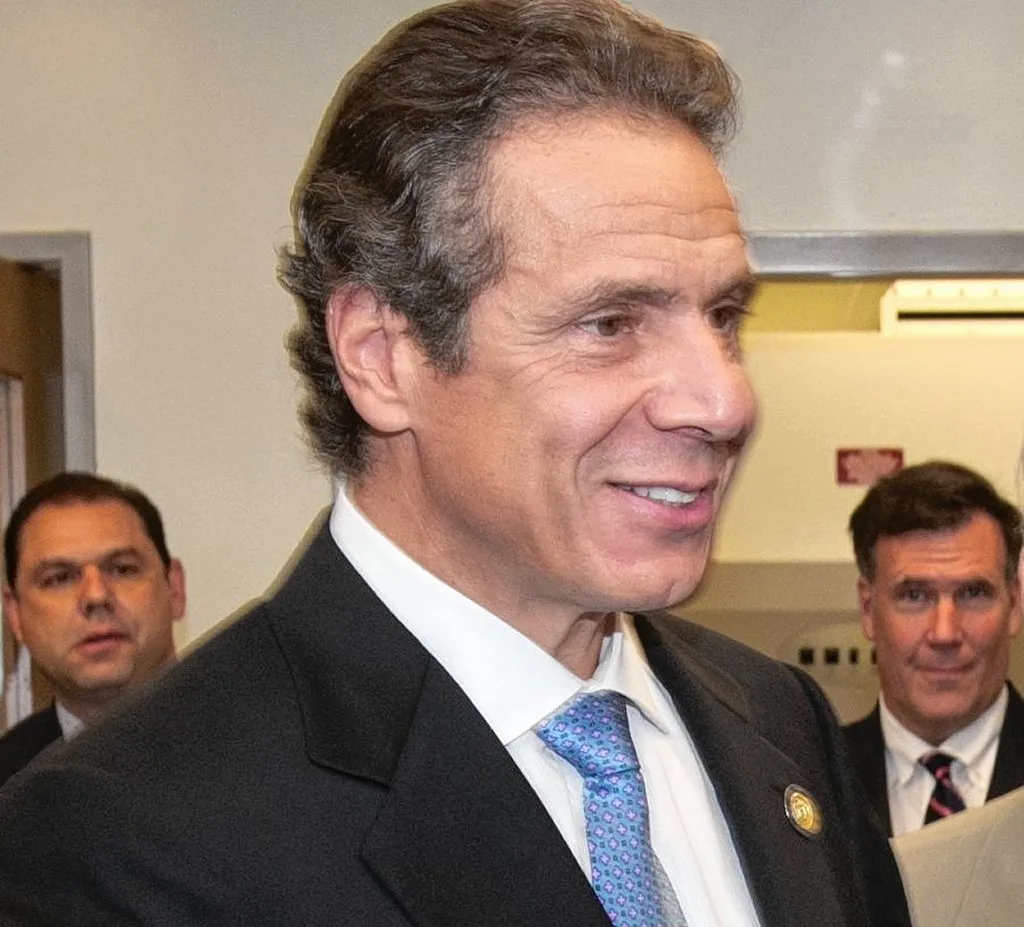
Gov. Cuomo continually takes credit for “investing” more upstate than any previous governor, and that may be true. He rarely talks about the results delivered. Meanwhile, his much touted “Buffalo Billion” program has resulted in scandal and federal indictments.
Cuomo fixer and bad angel Joe Percoco (left) was one of nine indicted with Ciminelli in the Buffalo Billion scandal.
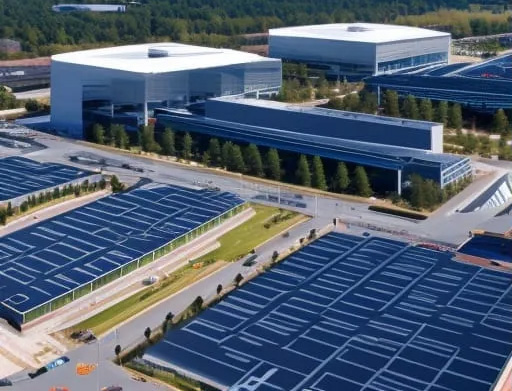
For example, Niagara Falls Mayor Paul Dyster and City Planner Tom DeSantis justified the purchase of an unwanted brownfield on Highland Avenue on the program and its centerpiece, the long delayed SolarCity development in Buffalo.
“With SolarCity coming online shortly, it will create a lot of demand for shovel-ready, industrial development sites,” Mr. DeSantis said nearly two years ago.
That was before federal indictments reached out and touched some of Gov. Cuomo’s closest advisors, and executives of Buffalo’s LPCiminelli construction company including the contractor’s CEO, Louis P. Ciminelli.
The governor’s not just fighting off efforts to demand for better oversight and tighter controls, he’s trying to eliminate current requirements for development authorities to report anything at all about how many jobs are created.
Cuomo’s capitalist crony Lou Ciminelli does the perp walk in September, 2016.
Critics have accused Gov. Cuomo of trying to “buy” the 2020 Democratic presidential nomination by greasing wealthy developers, consultants and contractors with taxpayer money so that they will contribute to his campaign when the time comes.
Who knows. It seems to have worked for Mayor Dyster.
By Tony Farina I’ve covered many court proceedings and trials in my more than 35 years as a newspaper and television reporter and I want to make the point at the beginning of this story that whether elected or appointed, some judges are fair and honest and many others fall short of the mark. In other words, the word jurist does not convey skill and knowledge of the law; it is just a role that some serve with distinction, and others do not. By definition, a jurist is a person who has expert or thorough knowledge of the law but
By Tony Farina There are certainly many questions swirling around the mayor’s declaration of a state of emergency in Niagara Falls over trash, blight, and deteriorating streets that was declared back on July 20 and has been extended several times since because, according to Mayor Robert Restaino, the City Council refused to approve contractor agreements. But some observers point to depleted staff at City Hall, like in Public Works and Code Enforcement and other departments, as really self-inflicted wounds that are the underlying reasons work is not getting done in the city. Or is there even more to the story,
The Data Center That Answers Hochul’s Objections There was a time when Niagara Falls did not ask Albany whether it was permitted to prosper. The river was here. That was enough. The town had something Albany couldn’t give it. It used what was here. Water. Power. Work. Jobs. Industry. A future. In 1895, the Adams plant took the river and put it into wire. The current went to Buffalo. It changed the industrial world. Tesla supplied the designs. Westinghouse built the machines. Niagara supplied the falling water. Then industries came. Electrochemical. Electrometallurgical. They came because Niagara offered abundant, inexpensive electricity.
By Tony Farina The City of Niagara Falls, N.Y., boasts one of the world’s greatest natural wonders that people from around the world come to see, but despite incredible tourism numbers of more than nine million visitors a year, the city of now less than 50,000 people is still pretty darn poor. Niagara Falls does not have a tourism problem; it has a tourism-capture problem, and the distinction should be a starting point for a serious new discussion about the city’s future. And ladies and gentlemen, that discussion needs to start now. The question is no longer whether Niagara Falls