City Needs Diversity to Build on Tourism Trade And Create a Stronger Economy Going Forward

By Tony Farina
While tourism is no question the cornerstone of the Niagara Falls economy, the city possesses several advantages that make it very attractive for investment beyond tourism, and bluntly speaking, the conversation should not be about choosing tourism or technology; it should be about embracing both.
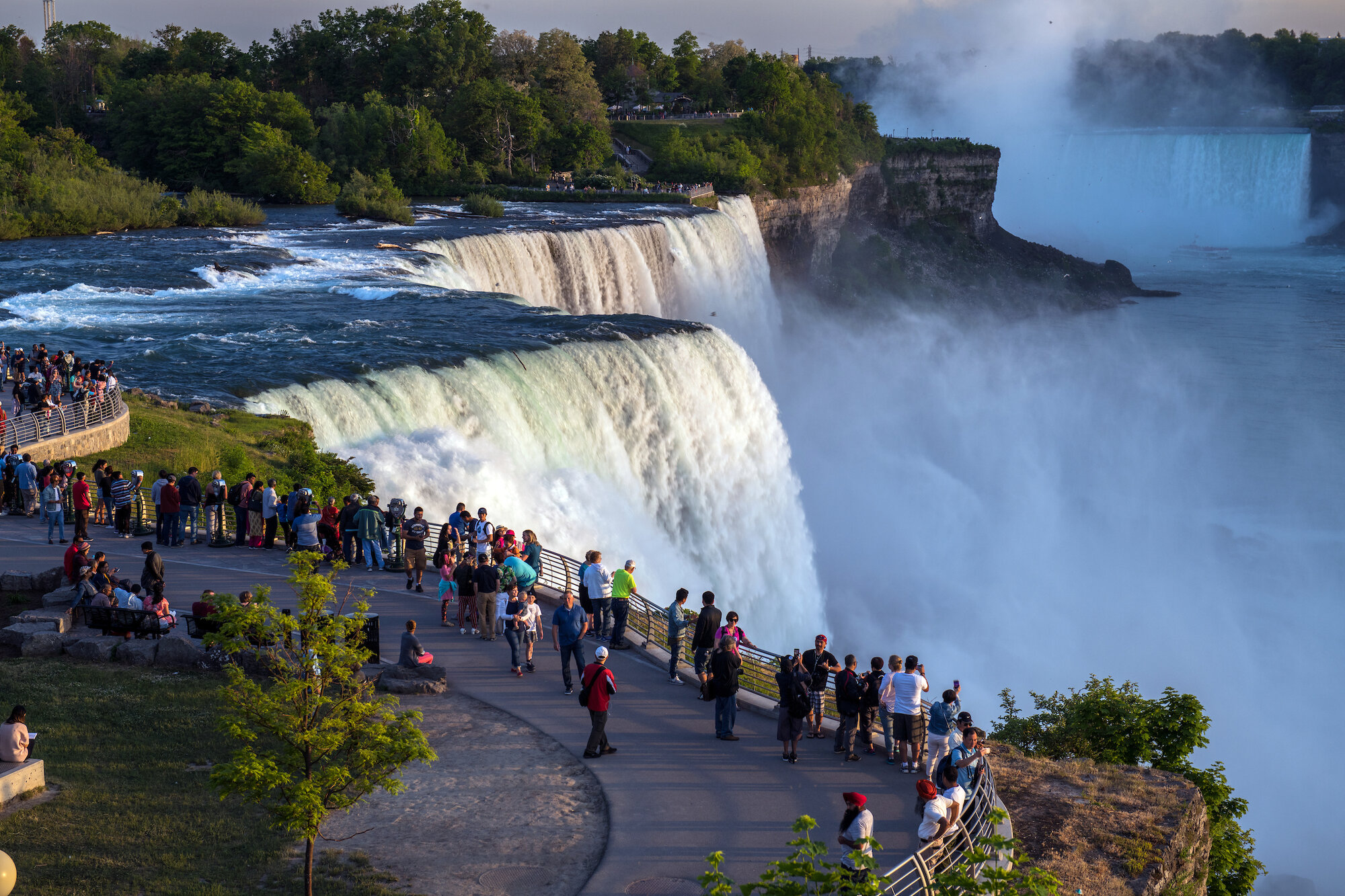
We know the natural beauty and global recognition of Niagara Falls draws tourists from around the globe every year to experience one of the world’s greatest natural wonders, and that tourist trade creates jobs, supports local businesses, and generates significant economic activity. It is indeed the cornerstone of the local economy, but a healthy, growing economy benefits from diversity, where one industry complements another rather than carrying the entire burden of prosperity.
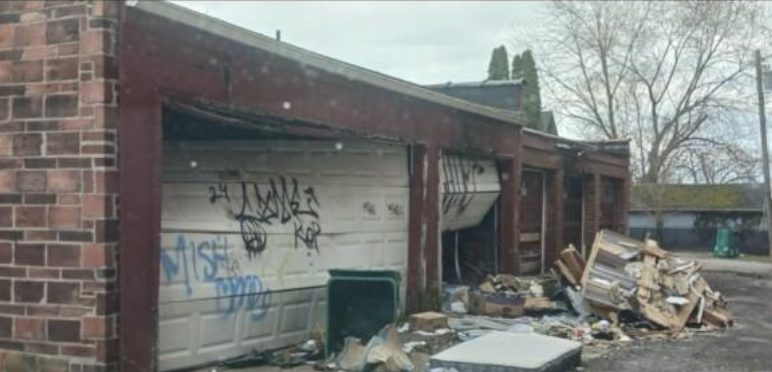
That is what the city must do: look toward diversity going forward and build on the tourism cornerstone to make life better for the city and its families far into the future. The city needs more than tourism to build the economy into the future for greater opportunity for all. History has taught us that. Great as it is, tourism cannot do it alone.
While it is true that tourism has brought tremendous value to the community, it is also seasonal, sensitive to economic downturns, weather, and changing travel trends. A healthy economy does indeed benefit from diversity. Communities across the country have discovered that advanced manufacturing, research facilities, logistics, technology companies, and data centers can coexist alongside vibrant tourist industries. In many cases, these sectors strengthen local economies by creating year-round employment, expanding the tax base, and providing opportunities for residents whose careers may not be tied directly to hospitality or seasonal visitor traffic.
The advantages are here that make Niagara Falls attractive for investment: strategic location near the Canadian border, access to interstate highways, proximity to major population centers, and a long industrial heritage providing a strong foundation for economic growth. And perhaps most importantly, we have a skilled workforce capable of building, maintaining, and operating sophisticated facilities.
Construction workers, electricians, operating engineers, plumbers, laborers, and skilled tradespeople are ready to take on projects that create lasting economic benefits. These are well-paying careers that support families and allow young people to build futures without leaving Western New York.
Technology has become the infrastructure of the modern economy. Every online purchase, financial transaction, medical record, streaming service, and artificial intelligence application depends on secure digital infrastructure. Data centers have become as essential to today’s economy as railroads and highways were to previous generations.
That does not mean every proposal deserves approval. Responsible development requires thoughtful planning. Environmental protection, infrastructure capacity, water resources, noise mitigation, energy reliability, public transparency, and community benefits must all be carefully considered.
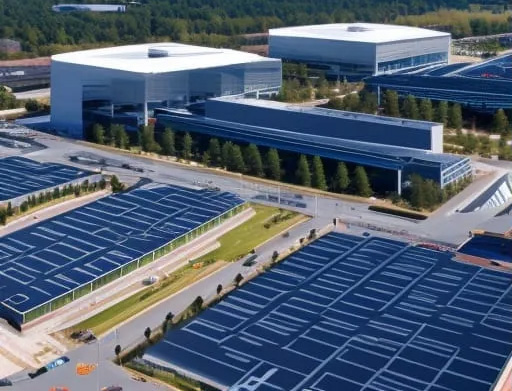
Tourism and technology are not competitors. A carefully planned technology campus on appropriately zoned industrial land does not replace our hotels, restaurants, attractions, or waterfront experiences. Instead, it creates new customers for local businesses and broadens the tax base that supports essential public services.
Imagine engineers staying in local hotels during construction. Picture contractors dining at neighborhood restaurants, purchasing supplies from local businesses, and supporting the regional economy. Economic diversification makes communities more resilient because when one sector slows, another continues generating jobs and investment.
Niagara Falls has reinvented itself before. From its industrial heritage powered by hydroelectric energy to its transformation into one of the world’s premier tourist destinations, the city has repeatedly adapted to changing realities. The next chapter should build upon those successes rather than replace them.
The question is not whether tourism remains important—it absolutely does. The real question is whether we are willing to broaden our vision.
Can Niagara Falls become a community where tourism thrives alongside advanced manufacturing? Where do technology companies complement hotels and restaurants? Where young graduates find rewarding careers without relocating? Where skilled trades remain busy year-round while preserving the natural wonder that defines our city?
These are not competing goals. They are complementary opportunities. Tourism will always define Niagara Falls. But our future does not have to depend on tourism alone. The city must recognize that a stronger economy is built on multiple pillars.
A seasonal tourism industry needs much more to create a strong economy long into the future.