Buffalo Niagara film fest centers on Niagara Falls for a change!
M
Mike Hudson · July 27, 2017
SharefXin✉
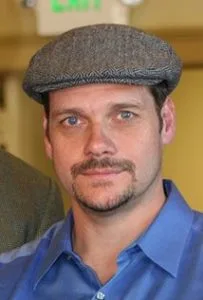
Bill Cowell is a movie buff’s movie buff.
Born and raised in Niagara Falls, he’s the boss of the Buffalo Niagara International Film Festival (BNFF) now celebrating its 11th season.
“This season, we’re looking at capitalizing on the whole Niagara Falls legend and brand,” Mr. Cowell said. “It’s a location that’s both historic and has a unique place in the history of film.”
Mr. Cowell founded the BNFF in 2006, and watched it quickly grow to be one of the largest and most exciting film festivals held in New York State. The festival has provided the breaking ground for many successful films such as “The Cake Eaters,” “Sinner” and “Christina,” and has attracted its own share of A-listers, including Robert Redford, Richard Dreyfuss, Robert Culp, Louis Gossett Jr., Michael Madsen, Eric Roberts and Tom Sizemore over the years.
“The judging is run by committees, and we try to break it up into some local experts and some celebrity guests. Some have yet to be named and some of the bigger names will remain anonymous to ensure integrity in the process,” Mr. Cowell said.
Lobbying judges – who vary from local filmmakers, LA writers, Toronto directors, industry guys from New York, and foreign producers – won’t work. There are committees specific to each genre overseeing the scoring and judging of submissions.
Awards range from Best Feature, Best Short, Best Animated Film, Best Foreign Film, Best Documentary; Best Actor, Best Actress, Best Director, Best Screenwriter; as well as for technical categories such as cinematography and editing. A special award – and perhaps the region’s most anticipated, the Falls Award, is given for Best Western New York Film.
“The first thing we’re looking for is quality and creativity. They’re so many categories. As we grow and get bigger things always get more exciting,” Mr. Cowell enthused.
And growing it is. This year’s festival promises to be the biggest ever.
The 2017 Buffalo Niagara Film Festival will run from Wednesday, September 20 through Saturday, September 30.
Perhaps the most prestigious prize handed out by festival organizers is the Lifetime Achievement Award, and if this year is any indication, the competition is going to be tough.
You’ve got Frank Dux. A martial arts legend surrounded in both fame and controversy. In the early 1980s, Mr. Dux was the center of a now-famous article in a well-known martial arts magazine highlighting his career as an underground fighter for a secret organization located in Asia.
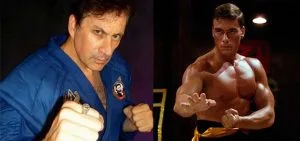
Mr. Dux’s fight career was the focus of Jean-Claude Van Damme’s hit 1988 movie, “Bloodsport.”
The ending credits list Mr. Dux’s fight stats, crediting him with 56 consecutive knockouts, the fastest knockout, and the most victories, over 300. It was following this that he became the center of controversy, with many fans and martial artists casting an unbelieving eye in his direction. Regardless, Frank Dux is still considered a martial arts legend.
Then there’s Robert Davi, an award-winning actor, screenwriter, director, producer and jazz vocalist.
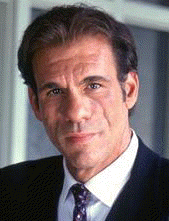
From his portrayal of the opera singing baddie in “The Goonies” and one of the most popular James Bond villains Franz Sanchez in “Licence to Kill” to FBI Special Agent Big Johnson in “Die Hard” and Al Torres in “Showgirls,” to most recently Leo Marks in “The Iceman,” Robert Davi is one of the film industry’s most recognized tough guys.
He has also starred on the small screen in hit shows like Profiler, Stargate Atlantis, Criminal Minds and CSI. With over 140 film and TV credits he has frightened us, romanced us, made us cry or split our seams laughing.
In his early acting years, Mr. Davi attended Hofstra University on a drama scholarship. He then moved to Manhattan, New York where he studied with the legendary acting coach Stella Adler, who became his mentor. At the Actors Studio, where he is a lifetime member, he studied with acting teacher Lee Strasberg.
Finally, Mike Starr, a great actor best known for his roles in “Goodfellas,” “The Goonies” and “Dumb and Dumber” could very well steal the show.
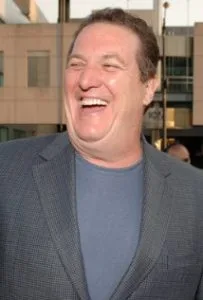
Not only does the Buffalo Niagara Film Festival capture the essence of what filmmaking is all about, it also captures the essence of the filmmakers themselves, providing the atmosphere and the go-to connections for their next films, locations and everything under the sun.
The festival’s main venue will be the Four Seasons Cinema at 2429 Military Road in Niagara Falls.
Spectacular Events Other unique venues and events highlight the BNFF like no other. Some of these highlights include The Rapids Theatre in Niagara Falls, the Riviera Theatre in North Tonawanda, special concerts, appearances, acts, meet & greets, Buffalo’s famous chicken wings, hearty food and much more will all be featured.
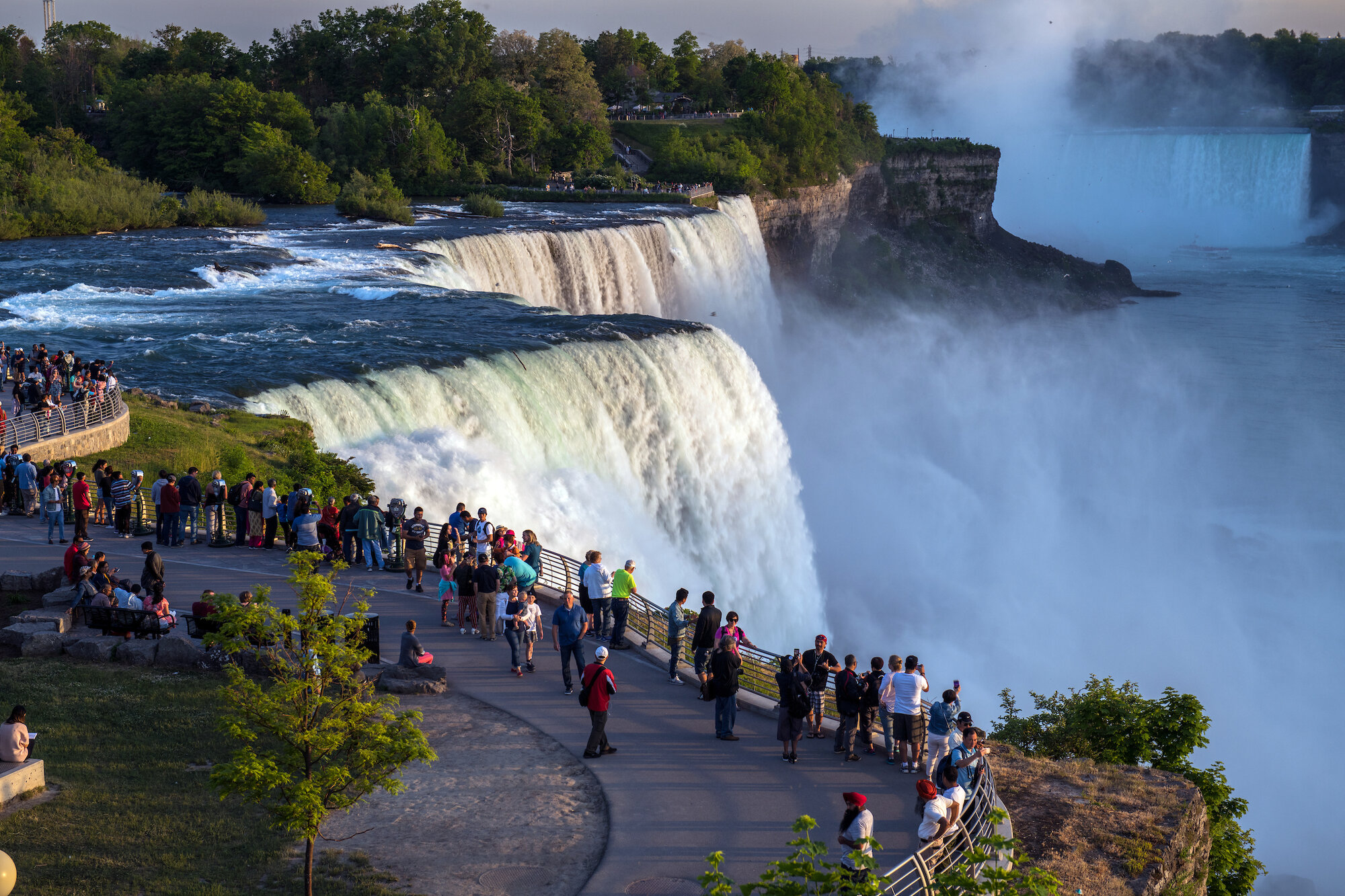
The BNFF is a great place for you to network on the East Coast as well as see the beautiful sites of Buffalo, NY, Niagara Falls, NY and Canada, and is just minutes away from many extraordinary sites, including the great Niagara Falls, wonderful architecture, Frank Lloyd Wright Houses, Wine Country, and much more.
Still, this is a filmmaker’s festival. A festival hosted by filmmakers and screenwriters for filmmakers and screenwriters. In a region that loves the arts and has produced many famous industry icons both behind the camera, on the screen, and abroad, according to Mr. Cowell.
Special amenities, scouting and tour packages of The Buffalo Niagara region will be available during festival week for all to enjoy, he added.
Top acquisition executives will be sought after and available for all attending filmmakers to panel with.
So what’s wrong with this picture?
Absolutely nothing.
One of the best locations in the nation being highlighted on a worldwide stage with absolutely no help from any parasitic government agency?
Restoring glamour to Niagara Falls and Buffalo much as Marilyn Monroe and Joseph Cotton did back in 1953 with the classic film noir “Niagara”?
Bill Cowell is a film buff’s film buff and he knows what he’s doing.
As he turns his dream into reality, he should be thanked.
SharefXin✉