Challenging Anonymity and Prosecutorial Tactics in the Eastern District of New York’s OneTaste Prosecution
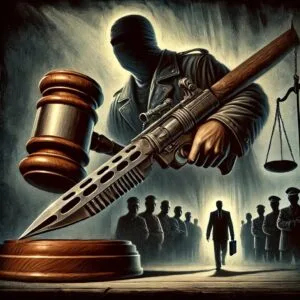
The Eastern District of New York’s (EDNY) prosecution of wellness company OneTaste has ignited controversy, not only due to the conspiracy allegations but also because of the government’s attempts to conceal the identities of key witnesses. This effort, recently rejected by the Judge assigned to the case, Diane Gujarati, has reopened debates about balancing witness protection with a defendant’s Sixth Amendment right to confront their accusers.
It is important to delve into the procedural issues surrounding witness anonymity in the OneTaste case, emphasizing constitutional protections against secret testimony and the broader implications for due process, especially as defense attorneys allege evidence manipulation and prosecutorial overreach.
The OneTaste prosecution revolves around allegations of conspiracy involving co-founder Nicole Daedone and former sales leader Rachel Cherwitz. Initially slated for trial on January 13, 2025, the proceedings were postponed to May due to procedural complications, including potential conflicts of interest tied to defense counsel Arthur Aidala’s rumored nomination for U.S. Attorney for the EDNY.
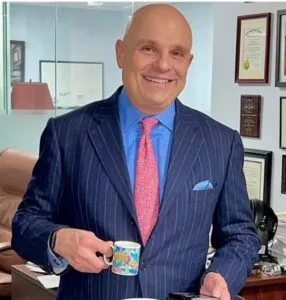
Subsequently, Mr. Aidala was not chosen, as then President-Elect Trump announced the appointment of another person to fill that role. Yet, the prosecution still pushed to have Aidala’s firm disqualified from the case for other alleged conflicts, and the judge ultimately decided to disqualify them, requiring more time for Rachel Cherwitz to find new counsel.
The government’s request for witness anonymity has become a central issue. Prosecutors argued for concealing the identities of ten witnesses, citing safety concerns. Defense counsel Jennifer Bonjean opposed the motion, asserting, “It is far easier to come to court and lie anonymously than it is to stand on testimony with one’s true name.” Judge Gujarati denied the request, quoting Bonjean’s line and emphasizing the importance of open confrontation in criminal trials.
Simultaneously, the defense has accused the lead investigator, FBI Special Agent Elliot McGinnis of misconduct, including coercing witnesses, manipulating evidence, and interfering with civil litigation. Allegations include directing witnesses to destroy evidence and bypassing standard evidentiary preservation protocols.
Legal Framework: Witness Anonymity and the Sixth Amendment
The Sixth Amendment guarantees a defendant’s right to confront witnesses against them, a principle upheld in Crawford v. Washington (541 U.S. 36, 2004). The confrontation clause ensures cross-examination as a critical tool for challenging the credibility of testimony in criminal trials.
Courts occasionally allow witness anonymity, balancing:
- The severity of threats posed to the witness.
- The necessity of the testimony to the prosecution’s case.
- The degree of prejudice imposed on the defense.
In the OneTaste case, the prosecution failed to provide substantial evidence of direct threats to witnesses. Judge Gujarati deemed the alleged threats speculative and concluded that anonymity would unreasonably hinder the defense’s ability to cross-examine witnesses effectively.
It was within moments of that decision when the prosecutors argued again to disqualify the Aidala firm, leading to a Curcio hearing the next day that finalized the decision and brought a continuance to the case.
Key Issues in the OneTaste Case
Judicial Scrutiny and Witness Credibility
The defense’s opposition to anonymous testimony aligns with broader concerns about the reliability of government evidence. Central to the case are journals purportedly authored by key government witness Ayries Blanck. Defense forensic experts have presented metadata evidence suggesting the journals were created years after the events described, contradicting claims they were contemporaneous records.
The defense argues these journals were fabricated or altered for a 2022 Netflix documentary, raising further doubts about the government’s case. If the authenticity of these journals is undermined, anonymous testimony could obstruct effective cross-examination of critical evidence.
Prosecutorial Misconduct Allegations
Defense filings allege serious misconduct by FBI Special Agent Elliot McGinnis, including:
- Directing witnesses to delete or conceal evidence.
- Using personal email accounts and “Confidential Mode” features to bypass evidence preservation protocols.
- Misrepresenting the origins and chain of custody of key evidence.
Despite these allegations, the government has resisted calls for an evidentiary hearing and excluded McGinnis from its witness list, further intensifying concerns about transparency.
Comparative Case Law on Anonymity in Criminal Trials
The EDNY’s approach in the OneTaste case parallels other controversial prosecutions, such as U.S. v. Mackey, where novel applications of conspiracy statutes sparked concerns of prosecutorial overreach. Both cases relied on media narratives and minimal substantive criminal allegations.
Historically, witness anonymity has been permitted in cases involving organized crime or terrorism, where credible threats were clearly established. For instance, in U.S. v. Al Qaeda Operatives, anonymity was allowed following demonstrable threats to witnesses. In contrast, the government in the OneTaste case failed to provide comparable evidence, making the request legally and constitutionally questionable.
Broader Implications for Prosecutorial Accountability
The procedural controversies in the OneTaste case underscore broader concerns about prosecutorial practices:
- Erosion of the Confrontation Clause: Unsubstantiated claims of danger cannot justify suspending constitutional rights.
- Lack of Transparency: Allegations of FBI misconduct and fabricated evidence demand heightened judicial scrutiny.
- Expansion of Prosecutorial Discretion: The reliance on media narratives and questionable evidence raises concerns about the expansion of conspiracy charges without substantive criminal elements.
Policy Recommendations
To address the issues raised in the OneTaste prosecution, the following reforms are recommended:
- Stricter Evidentiary Standards for Anonymity: Courts should require concrete evidence of threats before granting witness anonymity.
- Enhanced Oversight of Federal Agents: Independent reviews and potential disciplinary actions should address allegations of misconduct by law enforcement officials.
- Mandatory Evidentiary Hearings: Courts should conduct full evidentiary hearings when serious allegations of evidence tampering arise.
- Increased Transparency in Media-Influenced Cases: Prosecutors should disclose any collaboration with media outlets to ensure evidence integrity.
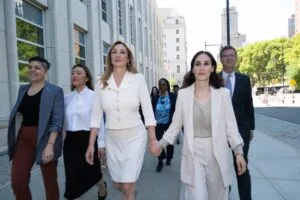
The OneTaste prosecution serves as a pivotal test of constitutional protections against secret testimony and prosecutorial overreach. Judge Gujarati’s decision to deny witness anonymity reaffirms the importance of safeguarding defendants’ rights to confrontation, particularly when evidence integrity is in question.
Moving forward, the case underscores the need for greater transparency and accountability in prosecutorial practices to preserve the fairness and legitimacy of the criminal justice system.